How to buy fashion contact lenses involves choosing lenses that fit your eyes properly, complement your natural eye color, suit your intended look, and meet recognized safety standards.
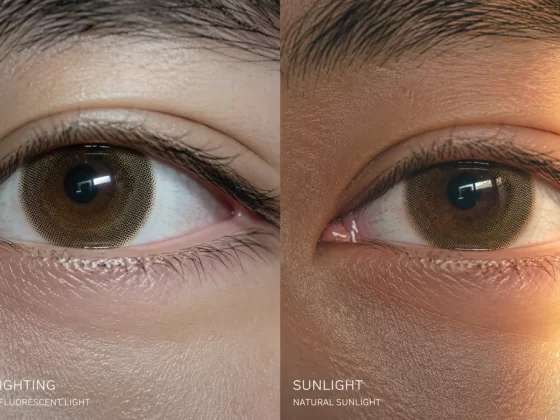
Most people assume the biggest mistake is picking the wrong color. In reality, the bigger problem is buying based on product photos alone. A lens that looks stunning online can appear completely different once it’s layered over your natural iris and viewed under everyday lighting.
That’s why it’s important to evaluate more than appearance. Your eye color, lighting environment, comfort requirements, and wearing habits all affect the final result. To make that decision easier, use the L.E.N.S. Method™—a simple framework designed to predict how lenses will actually look and feel before you buy them.

The L.E.N.S. Method™
L — Lighting Environment
- Indoor LED lighting
- Natural daylight
- Evening and low-light settings
E — Eye Base Color
- Dark brown
- Hazel
- Green
- Blue
N — Naturalness Goal
- Subtle enhancement
- Noticeable change
- Full transformation
S — Schedule of Wear
- Daily use
- Special occasions
- Photography and content creation
Run every lens option through these four filters before buying. It takes two minutes and can save you from weeks of disappointment.
“The best-looking contact lens online is often the wrong lens in real life.”
Check #1: Know Your Natural Eye Color First
This sounds obvious, but many buyers skip it.
A lens that creates a dramatic effect on light eyes may barely show up on dark brown eyes. I’ve seen people order bright gray lenses expecting a striking change, only to end up with a muddy blue-gray tint that looked nothing like the photos.
Pay attention to the Iris Coverage Pattern.
This refers to how much of your natural iris color the lens is designed to mask. Higher coverage generally creates a stronger color shift. Lower coverage often produces a softer and more natural result.
If your eyes are naturally dark, look for lenses specifically marketed as opaque or designed for dark irises.
Check #2: Match the Lens to Your Real Lighting Conditions
Most product photography is taken under controlled studio lighting.
Your life probably isn’t.
Think about where you’ll actually wear the lenses:
- Office environments
- Shopping malls
- Outdoor daylight
- Restaurants
- Night events
- Social media shoots
A color that looks stunning in direct sunlight can appear flat indoors.
Conversely, some subtle lenses look almost invisible outdoors but become noticeable under indoor lighting.
Always review customer photos taken in normal environments.
Those images often tell the truth that product galleries hide.
“Lighting changes lens appearance more than most buyers realize.”
Check #3: Understand Diameter and Eye Enlargement Effects
The Diameter (DIA) affects more than comfort.
It changes the visual size of your eyes.
Generally:
- Smaller diameters create a natural look
- Larger diameters create a doll-eye effect
- Oversized designs can appear dramatic or costume-like
Many first-time buyers accidentally purchase lenses that make their eyes look larger than expected.
If your goal is everyday wear, avoid chasing the biggest diameter available.
Natural enhancement usually photographs better and attracts less attention.
Check #4: Verify Base Curve Compatibility
The Base Curve (BC) determines how the lens sits on the cornea.
Even beautiful lenses become a problem if they don’t fit properly.
Poor fit can cause:
- Lens movement
- Blurred vision
- Dryness
- Irritation
- Constant awareness of the lens
This is where professional fitting becomes valuable.
Eye care professionals often use measurements related to Corneal Topography to better understand eye shape and fit requirements.
While most cosmetic lens buyers focus on color, experienced wearers know fit comes first.
A stunning lens that’s uncomfortable will stay in its case.
Check #5: Look Beyond Color and Study the Design
The most realistic lenses rely on design details.
Pay attention to:
Limbal Ring
The Limbal Ring is the darker outer border around the lens design.
A soft limbal ring usually looks natural.
A thick limbal ring creates stronger eye definition and can make eyes appear larger.
Pattern Blending
Good lenses blend gradually between colors.
Poor designs often have sharp transitions that look artificial up close.
Pupil Hole Design
The center opening affects how natural the lens appears.
An overly small pupil opening may reveal strange color shifts in low-light conditions when pupils expand.
Check #6: Evaluate Comfort Specifications
Many buyers never read the technical details.
That’s a mistake.
Two important specifications deserve attention:
Oxygen Permeability (Dk/t)
Oxygen Permeability (Dk/t) measures how much oxygen reaches the cornea through the lens.
Higher oxygen transmission generally supports better comfort during wear.
Water Content Percentage
The Water Content Percentage influences how the lens feels throughout the day.
Some people find higher-water lenses comfortable initially, but drying after long periods.
Others prefer materials with lower water content and better moisture retention.
Comfort varies from person to person.
That’s why reviews from long-term wearers are often more valuable than first-impression reviews.
“Comfort isn’t something you notice when it’s present. You notice it when it’s missing.”
Check #7: Confirm Product Legitimacy Before Checkout
The final step is often the most important.
Before purchasing, verify:
- Manufacturer information
- Product packaging details
- Authentic retailer credentials
- Clear replacement schedules
- Regulatory compliance
Look for indicators such as CE Marking where applicable, and verify any certification claims directly through the retailer or manufacturer.
Be cautious of stores that provide extensive beauty marketing but little technical information.
Legitimate sellers typically publish:
- Material specifications
- Diameter measurements
- Base curve information
- Replacement schedules
- Safety instructions
If these details are missing, move on.
Put the L.E.N.S. Method™ Into Practice
Once you’ve identified your eye color, preferred look, and wearing habits, the next step is comparing lenses in real-world settings. Reviewing customer photos and everyday wear examples can give you a more accurate expectation of the final result than product images alone. You can check out Unicoeye’s “Still Eye-Catching” collection to see how different styles, colors, and patterns appear across a variety of eye colors and everyday looks.
Quick Buying Checklist
Before you click “Buy,” ask yourself:
- Does the lens suit my natural eye color?
- Have I considered my usual lighting conditions?
- Is the diameter appropriate for my desired look?
- Is the base curve suitable for my eyes?
- Does the limbal ring match my style preference?
- Have I reviewed oxygen permeability and water content details?
- Is the retailer transparent about certifications and specifications?
Common Mistakes and Misconceptions About Fashion Contact Lenses
Even after researching lenses, buyers often make the same assumptions. Here are the mistakes that cause the most disappointment.
Assuming the Product Photo Reflects Real-Life Results
A lens can look dramatically different depending on your natural eye color and lighting conditions. Product photos are useful references, but they should never be treated as guaranteed outcomes.
Choosing Color Before Fit
Many shoppers spend time comparing shades while ignoring measurements like Diameter (DIA) and Base Curve (BC). A comfortable lens that fits properly will always be a better choice than a perfect color that feels uncomfortable after an hour.
Thinking Dark Eyes Can’t Achieve Dramatic Color Changes
The right Iris Coverage Pattern can significantly transform dark eyes. The key is choosing lenses designed with enough opacity rather than simply selecting a lighter color.
Overlooking Comfort Specifications
Factors such as Oxygen Permeability (Dk/t) and Water Content Percentage affect the wearing experience more than most people realize. A lens that looks great but feels dry or irritating won’t get much use.
Believing Bigger Lenses Always Look Better
Large-diameter lenses can create a dramatic effect, but they don’t suit every face shape or style goal. In many cases, a more natural-looking design appears more convincing both in person and in photos.
Ignoring Everyday Lighting
Many buyers evaluate contact lenses based on how they’ll look in selfies. The better question is how they’ll appear during everyday activities such as work, shopping, dining out, or spending time outdoors.
Your Next Step
Before placing an order, compare your top three lens choices using the The L.E.N.S. Method™. Write down your eye color, primary lighting environment, desired appearance, and wear schedule for each option. The differences become obvious surprisingly fast.
Conclusion
Fashion lenses are often sold as beauty products, but the smartest buyers approach them as a combination of style choices and eyewear decisions. Color matters, but fit, comfort, design details, and lighting conditions matter just as much.
The biggest surprise for most people is that the lens itself isn’t the only factor. Your natural iris color, daily environment, and expectations all influence the final result. That’s why two people wearing the same lens can end up with completely different outcomes.
Put the L.E.N.S. Method™ Into Practice
Once you’ve identified your eye color, preferred look, and wearing habits, the next step is comparing lenses in real-world settings. Reviewing customer photos and everyday wear examples can give you a more accurate expectation of the final result than product images alone.
Frequently Asked Questions
Can you buy fashion contact lenses without a prescription?
In many regions, fashion contact lenses are available in both prescription and non-prescription (plano) options. However, even non-prescription lenses should fit properly and be purchased from reputable retailers. An eye examination is recommended to determine the correct fit and ensure the lenses are suitable for your eyes.
How do I choose the right color for my eye color?
Start by considering your natural eye color and the result you want to achieve. Dark eyes often require lenses with higher opacity or a stronger Iris Coverage Pattern to create a noticeable color change. Lighter eyes can typically achieve dramatic results with less opaque designs. Always review real customer photos rather than relying solely on product images.
What is the difference between the diameter and the base curve?
Diameter (DIA) refers to the overall width of the lens and can affect both appearance and fit. Larger diameters may create a more dramatic or enlarging effect. Base Curve (BC) refers to the curvature of the lens and determines how it sits on the cornea. Both measurements play an important role in comfort and wearing experience.
Do fashion contact lenses look different in different lighting?
Yes. Lighting can significantly affect how contact lenses appear. The same lens may look brighter in natural daylight, softer under indoor LED lighting, or more intense in photography. This is one reason why product photos do not always reflect real-world results.
How long can fashion contact lenses be worn comfortably?
Comfort varies depending on the lens material, Oxygen Permeability (Dk/t), Water Content Percentage, and individual eye characteristics. Some people can wear lenses comfortably for several hours, while others may experience dryness sooner. Always follow the manufacturer’s recommended wear schedule and replacement guidelines.
Are larger diameter lenses better for everyday wear?
Not necessarily. Larger diameter lenses create a more noticeable eye-enlarging effect, but they may not suit every face shape or style preference. For everyday wear, many people prefer a more natural-looking diameter that enhances the eyes without appearing overly dramatic.
What should I check before buying colored contacts online?
Before purchasing, review the lens specifications, including Diameter (DIA), Base Curve (BC), replacement schedule, material information, and comfort-related features. It’s also important to verify the retailer’s credibility, look for recognized certifications such as CE Marking where applicable, and review customer photos to see how the lenses appear in real-life conditions.
Sources & References
- Cleveland Clinic. Corneal Topography: Purpose, Procedure & Results. https://my.clevelandclinic.org/health/diagnostics/24819-corneal-topography
- Healthline. What Are Limbal Rings and What Do They Mean? https://www.healthline.com/health/limbal-rings
- U.S. Food and Drug Administration (FDA). Decorative Contact Lenses. https://www.fda.gov/medical-devices/contact-lenses/decorative-contact-lenses
- British Contact Lens Association (BCLA). Contact Lens Information and Safety Guidance. https://www.bcla.org.uk
- European Commission. CE Marking and Medical Devices. https://single-market-economy.ec.europa.eu/single-market/ce-marking_en
- American Academy of Ophthalmology (AAO). Colored Contact Lenses: What You Need to Know. https://www.aao.org/eye-health/glasses-contacts/colored-lenses