Summer curtains sound simple until you hang the wrong ones and your room suddenly feels hotter than outside. A lot of people buy thick panels because they look nice in staged photos, then spend the next three months sitting beside windows that trap heat like a greenhouse.
The best summer window curtains usually do three things well: they let rooms breathe, soften harsh sunlight, and still look light enough for warmer weather. That balance matters more than people think. Especially in apartments or smaller homes, where one heavy fabric choice can change the whole mood of a room.
I’ve noticed most people regret overly dark or heavy curtains by mid-afternoon. The room gets dim, the fabric absorbs heat, and everything starts feeling stuffy. Summer curtains should feel relaxed. Not padded like winter insulation.

Start With Fabric Before Anything Else
Fabric matters more than pattern during summer.
Some materials naturally hold heat while others allow airflow and softer light. That’s why lightweight curtains for hot weather tend to work better than thick synthetic panels, especially in rooms with direct sun exposure.
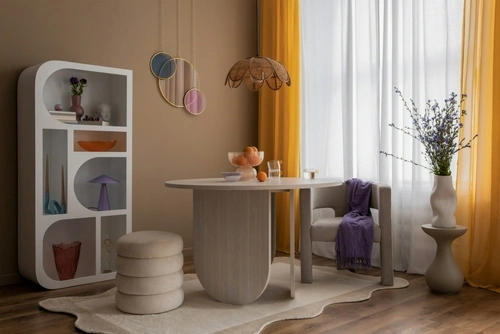
The safest summer fabric choices are usually:
- Linen blends
- Cotton voile
- Gauzy woven panels
- Lightweight cotton
- Semi-sheer textured polyester
Cheap thick polyester curtains often look fine online but feel surprisingly heavy once they’re hanging in a warm room for a few hours.
Why Linen Summer Curtains Keep Getting Recommended
There’s a reason linen summer curtains keep showing up in design magazines and home blogs. Linen filters sunlight without completely blocking it. It also hangs loosely, which helps rooms feel more open.
And honestly, slight wrinkles actually make linen look better. It suits summer spaces naturally.

Linen blend grommet curtains are especially practical because they:
- allow decent airflow
- soften direct sunlight
- work in modern or traditional homes
- don’t feel visually heavy
Full linen looks beautiful too, but it costs more and wrinkles faster. Most people do better with linen blends instead.
Soft oatmeal, flax, warm white, and sandy beige usually work best for summer interiors.
Choose Light Filtering Instead of Full Blackout
Not every room needs cave-level darkness.
A lot of homeowners switch to light filtering curtains during warmer months because they reduce glare without making rooms gloomy. That’s important if you work from home, read near windows, or spend most of the day in shared living spaces.
Good light-filtering curtains help:
- reduce harsh afternoon glare
- soften UV exposure
- maintain brightness
- improve daytime privacy
- lower visual heat in a room
Some curtains look amazing online, but feel weirdly depressing once they’re actually hanging in bright summer weather. Too dark. Too dense. Too much fabric.
That happens constantly with heavy blackout panels.

Sheer Curtains for Summer Work Better Than Expected
A lot of people think sheer curtains for summer are mostly decorative. They’re actually useful in rooms that need brightness without harsh sunlight blasting through the windows.
Sheer curtains diffuse light instead of blocking it completely. That softens the room visually and helps spaces feel cooler even when temperatures stay roughly the same.
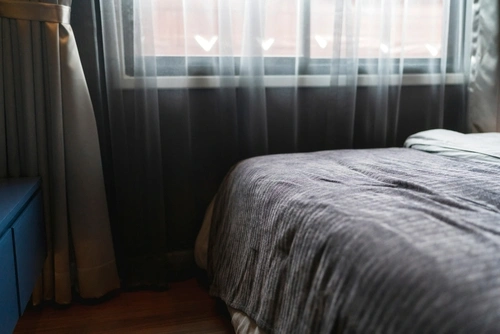
Cotton voile panels and tab-top sheer curtains work especially well in:
- apartments
- sunrooms
- smaller living rooms
- breakfast areas
- studio spaces
They also move with airflow, which subtly changes how the room feels during hot afternoons.
A setup that works well in real homes:
- sheer inner curtain
- lightweight linen outer panel
- slim matte black rod
Simple. Clean. Doesn’t feel overly staged.
Match Curtains to the Room Instead of Buying One Style for the Whole House
This is where a lot of curtain shopping goes sideways.
People buy one curtain style for every room because it feels easier. Same fabric. Same color. Same thickness. Then the bedroom gets too bright at 6 AM, while the living room suddenly feels dim all afternoon.
Different rooms deal with heat and sunlight differently. A west-facing living room handles sunlight very differently from a shaded guest room or a humid kitchen window.
The curtains that work perfectly in one space can feel completely wrong somewhere else.
For example:
- Thick blackout curtains may help in bedrooms but can make living rooms feel closed off and stuffy during summer.
- Ultra-sheer panels look great in dining rooms but may not give enough privacy in street-facing bedrooms.
- Heavy polyester curtains often trap warmth in smaller rooms with poor airflow.
- Lightweight fabrics work better in humid areas because they move air more naturally.
I’ve noticed people usually notice curtain mistakes in the late afternoon. That’s when rooms either feel calm and soft or strangely hot and uncomfortable.
The easiest way to choose properly is to think about how each room is actually used during the day.
Living Rooms Need Light Without the Heat
Most living rooms benefit from brightness during daytime hours, especially if the space doubles as a work area or family room.
That’s why airy curtains for living room spaces usually work best in:
- semi-sheer linen blends
- light filtering fabrics
- loose woven textures
- neutral light colors
These materials soften glare without making the room feel dark.
Layered curtains also help in rooms with strong afternoon sun. A sheer inner layer paired with lightweight outer curtains gives more flexibility throughout the day.
Bedrooms Need Better Light Control
Bedrooms are usually less about brightness and more about comfort.
Good summer curtains for bedroom setups should reduce harsh morning light while still allowing airflow. Full blackout curtains can sometimes make rooms feel warmer unless the room gets intense direct sunlight.
Linen blends and breathable cotton panels usually feel lighter and more comfortable during hot weather than dense synthetic blackout curtains.
If the bedroom faces east, layered curtains help a lot because early sunlight gets intense fast in summer.
Kitchens and Dining Areas Need Breathable Fabrics
Kitchens collect heat and moisture quickly, especially during summer cooking.
That’s why breathable window panels and shorter lightweight curtains often work better than heavy floor-length drapes in these spaces.
Cotton voile and sheer café curtains are common choices because they:
- dry faster
- allow airflow
- reduce heaviness
- still soften direct sunlight
Honestly, thick curtains near kitchens can start feeling greasy and dusty surprisingly fast if windows stay open often.
Match Curtains to Sun Exposure
This part matters more than most decor advice online.
West-Facing Windows
These rooms usually get brutal afternoon heat.
Best options:
- thermal light-filter curtains
- layered linen panels
- reflective-backed curtains
East-Facing Bedrooms
Morning glare becomes annoying fast.
Best options:
- sheer inner panels
- medium-density linen curtains
- dual-layer systems
South-Facing Rooms
These spaces often get steady sunlight all day.
Best options:
- breathable linen blends
- UV-filtering fabrics
- lighter neutral colors
North-Facing Rooms
These rooms usually stay cooler and darker already.
Best options:
- sheer curtains
- lightweight woven panels
- brighter warm-toned fabrics
Cooling Window Curtains Are Mostly About Heat Reduction
The phrase cooling window curtains sounds exaggerated sometimes, but certain materials genuinely help reduce heat buildup near windows.
Not dramatically. Just enough to improve comfort.
According to the U.S. Department of Energy, window coverings can reduce unwanted solar heat gain depending on material, backing, and color.
Light-colored curtains generally reflect more sunlight than dark fabrics. Thermal-backed linen curtains and tightly woven light fabrics also help reduce radiant heat near large windows.
This becomes noticeable in:
- west-facing apartments
- rooms with large glass panels
- upper-floor bedrooms
- homes with limited ventilation
Less glare on screens helps too. People forget that part.
Breathable Window Panels Help Rooms Feel Less Stuffy
In humid climates, airflow matters almost as much as sunlight control.
That’s why breathable window panels work well during the summer months. Open-weave fabrics allow air circulation instead of trapping warm air near the windows.
They’re especially useful in:
- coastal homes
- humid apartments
- kitchens
- laundry spaces
- small bedrooms
Heavy synthetic curtains can sometimes hold moisture and stale air longer than expected. Especially during rainy summer weeks.
Don’t Ignore Curtain Length and Hardware
Curtain length changes the entire feel of a room.
Floor-length curtains usually work best for summer because they make ceilings appear taller while keeping the room visually soft.
Short curtains can still work in kitchens or breakfast areas, but they often look dated in living rooms.
Hardware matters too.
Thin curtain rods and simple brackets help lightweight fabrics feel cleaner and more relaxed. Thick decorative rods can overpower airy fabrics quickly.
Natural wood rods and matte metal finishes usually blend in better with summer interiors.
Summer Curtains Need More Cleaning Than People Expect
Open windows pull in dust constantly during warmer months.
That means sheer fabrics and linen blends usually need more frequent washing compared to winter curtains. Especially near busy streets or humid areas.
Machine-washable curtain panels save a lot of frustration long-term.
Honestly, some beautiful curtains become annoying fast if they wrinkle badly or require dry cleaning every few weeks.
Budget Matters More Than Trendiness
A lot of expensive curtains look impressive online, but don’t necessarily perform better in hot weather.
In most homes:
- Cheap polyester traps more heat
- Mid-range linen blends offer the best balance
- Premium full linen looks great, but needs more upkeep
For practical summer comfort, breathable fabric matters more than luxury branding.
That surprises people sometimes.
Summer Window Curtains Help Rooms Feel Cooler
Choosing summer window curtains is mostly about making rooms feel easier to live in during hot weather. The wrong curtains can make spaces darker, warmer, and heavier than they need to be. The right ones soften light, improve airflow, and make rooms feel calmer during long afternoons.
Lighter fabrics, breathable materials, and layered light-filtering setups usually work better than thick blackout panels for everyday summer use. Especially in homes with strong sunlight or limited ventilation.
A room with better summer curtains usually feels different by late afternoon. Less glare on screens. Less trapped heat near windows. Less visual heaviness hanging around the room.
Start with the hottest room in your home first. Usually, the bedroom or living room has the strongest afternoon sun. Try lightweight linen blends or sheer light-filtering panels before spending heavily on complicated thermal systems. In a lot of cases, simple breathable curtains already make the room feel noticeably better.