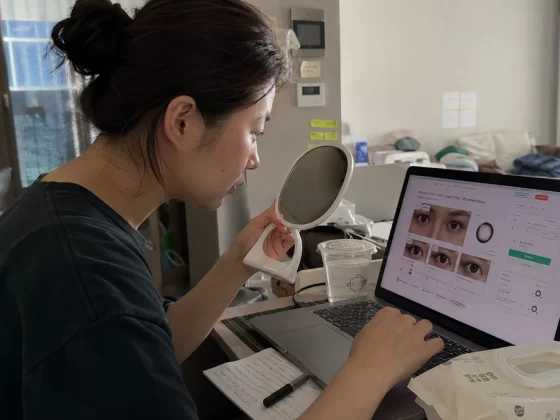
Morning makeup gets annoying when you have somewhere to be and only a few minutes to get ready. A long foundation routine with several brushes and carefully blended layers is not very useful on those mornings.
Your skin may also behave differently in your 30s. Some people notice more dryness or fine lines. Others still have oily skin or deal with breakouts. The useful approach is not to follow a fixed “30s makeup” rule. It is to use lighter products and simple application methods that suit your skin and save time.
Why Makeup Can Feel Different in Your 30s
Skin changes gradually with age, and the changes are different for everyone. Some people notice more dryness, while others continue to have oily or combination skin. Fine lines and uneven texture can also become more noticeable.

That can make a heavy layer of matte makeup look less comfortable. Powder can collect in dry areas or lines if too much is applied. A lighter base and a little moisturizer underneath can make makeup easier to spread and reduce the need for heavy coverage.
The goal is not to hide every line or change in your skin. It is to get an even-looking base without spending half the morning blending it.

1. Swap Heavy Foundation for a Lighter Base
Full-coverage foundation takes more time to blend. If you apply too much while rushing, it can also look heavier than you intended.
Try a tinted moisturizer, BB cream, skin tint, or a lighter foundation instead. Apply a small amount with your fingers and add more only where you actually need coverage.
Why it works: A lighter base lets some natural skin texture show through. It also means you do not have to spend several minutes making every part of your face look perfectly even.
How to apply: Start in the center of your face and spread the product outward. Add a little more around the nose or on areas with visible redness if needed.
2. Use Concealer Only Where You Need It
There is no reason to cover your entire face with concealer after applying foundation or skin tint.
Use a small amount under the inner part of the eyes if that area looks darker. You can also use a tiny amount around the sides of the nose or on individual marks that still show through your base.
How to blend: Tap the product with your fingertip rather than rubbing it back and forth. Use less than you think you need. It is much easier to add another small layer than to remove excess concealer.
3. Try Cream Blush Instead of Building Up Powder
Cream blush can be useful when you want cheek color without spending time working several layers of powder into the skin.
Apply a small amount to the upper part of the cheeks and blend it toward the temples. You do not need to smile while applying it. Your face is going to return to its normal position as soon as you stop smiling anyway.
A cream stick can also reduce the number of products in your makeup bag if you like using the same shade on your cheeks and lips.
One caution: cream is not automatically better for everyone. If your skin is very oily or you prefer a more matte finish, powder blush may still work perfectly well.
4. Use Brow Gel Instead of Drawing Every Hair
If your brows already have a reasonable shape, brow gel can be much faster than filling them in with a pencil.
Choose a tinted gel if you want some extra color or a fiber formula if your brows have sparse areas.
Brush the product upward and outward through the brows. Start with a small amount so the hairs do not become stiff or overloaded with product.
You can be done in well under a minute.
5. Keep Eyeshadow Simple
You do not need a full eyeshadow palette for a quick morning routine.
A cream eyeshadow stick is easy to carry and can be blended with a fingertip. Apply it across the lid and soften the edges before it sets.
For everyday makeup, shades such as taupe, bronze, soft brown, or champagne are easy to work with. Pick one shade you know you will actually use rather than carrying several colors that rarely leave the drawer.
6. Curl Your Lashes Before Mascara
An eyelash curler takes only a few seconds but can make the lashes look more lifted.
Place the curler close to the base of the upper lashes and squeeze gently. Do not clamp too hard or pull the curler away while it is closed.
Then apply mascara to the upper lashes.
If mascara often transfers onto the skin under your eyes, try using less product on the lower lashes or skipping them altogether. This is especially useful if you already use concealer in that area.
7. Keep Lips Comfortable With a Tinted Balm
A tinted balm or lip oil is easier to manage during a rushed morning than a lipstick that needs a precise outline.
It also gives you an option for applying color without constantly checking a mirror.
If your lips are dry, deal with the dryness first rather than layering lipstick over flaky skin. A basic lip balm can make the surface smoother before you add color.
You do not have to avoid matte lipstick entirely. If you like it, use it. It simply takes more care to apply neatly.
8. Do Not Automatically Powder Your Whole Face
Powder has a job. It can reduce shine and help some makeup stay in place. The problem is using it everywhere just because that is what you have always done.
If you need powder, concentrate it on areas that actually become shiny, such as the center of the forehead, nose, or chin.
If the rest of your face feels comfortable without powder, leave it alone.
A setting spray can be useful if you like the finish it gives your makeup, but it is not a requirement. Different formulas work differently, so treat it as an optional final step rather than something every quick routine needs.
9. Cut Down the Tools You Actually Use
A large brush collection does not make a five-minute routine faster.
For a basic everyday routine, you may only need your fingers for cream products, one brush for powder or bronzer, and an eyelash curler.
Keep the tools you use every day together. If you have to open three drawers to find a brush at 7:30 in the morning, the problem is probably the setup rather than your makeup technique.
10. Keep an Everyday Makeup Pouch Ready
The easiest way to save time is to remove the daily decisions.
Keep the products you use most often in one small pouch or container. That might include your base, concealer, blush, brow gel, mascara, and lip color.
Store special-occasion products somewhere else.
There is no point staring at five eyeshadow palettes when you already know you are going to use the same brown shadow on a Tuesday morning.
Common Makeup Mistakes to Avoid
1. Putting Powder Everywhere
Using powder over your entire face can make areas of dry skin more noticeable. If you need it, apply a small amount where you actually get shiny.
2. Using Heavy Dark Liner Under the Eyes
A dark lower line can make the area under the eyes look more defined, but it can also draw attention to shadows there.
For a softer everyday look, keep most of the definition along the upper lash line.
3. Applying Makeup to Very Dry Skin
If your skin is dry, base makeup may cling to flaky areas and become harder to blend.
Moisturizer can help by reducing water loss from the skin. Give it a little time to settle before applying your base.
4. Spending Too Long Trying to Make Both Sides Identical
Brows and eyeliner do not need to match perfectly.
Trying to correct a tiny difference can turn a five-minute routine into a twenty-minute one. Step back from the mirror and check how the makeup looks on your whole face instead of inspecting each eyebrow up close.
Common Misconceptions About Quick Makeup
“Quick Makeup Always Looks Unfinished”
It can, but it does not have to.
A simple base, brushed brows, mascara, and some cheek or lip color can be enough for everyday situations. The difference usually comes down to application rather than the number of products.
“You Need Separate Products for Everything”
Not necessarily.
Some products combine more than one function. A cream color stick may work on cheeks and lips. A tinted base may provide some coverage while giving the skin a more comfortable finish.
Sunscreen is the exception worth taking seriously. If sun protection is part of your morning routine, do not assume that a small amount of makeup containing SPF provides the same protection as applying a properly labeled broad-spectrum sunscreen in the recommended amount. The AAD recommends broad-spectrum SPF 30 or higher.
“Cream Makeup Always Fades Quickly”
Not always.
How long cream makeup lasts depends on the formula, how much you apply, your skin type, the weather, and what you put underneath it. If a cream blush disappears quickly, you may need a different formula rather than abandoning cream products altogether.
A Simple 5-Minute Morning Routine
You do not need to follow the timings exactly. They are there to show where your time should go.
If you have another minute, use it for the area that bothers you most. There is no rule saying every part of your face needs the same amount of attention.
Small Things You Can Do the Night Before
A little preparation can make the morning routine easier.
Clean your makeup tools: Dirty brushes are unpleasant to use and can also irritate the skin.
Put your daily products together: Keep the products you use most often in one place.
Check what needs replacing: Finding an empty concealer or dried-out mascara when you are already late is an easy problem to avoid.
Moisturize if your skin needs it: Keeping dry skin comfortable can make base makeup easier to apply the next morning.
At the End of the Day
Quick makeup in your 30s does not have to mean wearing less makeup or following a strict five-minute rule. It is more about knowing which parts of your routine actually make a difference. A light base where you need it, a little concealer, some cheek color, defined brows, mascara, and comfortable lip color can be enough for most ordinary mornings.
Your routine can also change from day to day. If your skin is dry, spend more time moisturizing and less time adding powder. If you are short on time, skip eyeshadow. If your brows already look good, leave them alone. The point is to stop spending time on steps that are not helping you look or feel better.
A good on-the-go routine should be easy enough that you can do it without thinking too much. Keep the products you use most often together and let the rest of your makeup stay for days when you actually have the time for it.