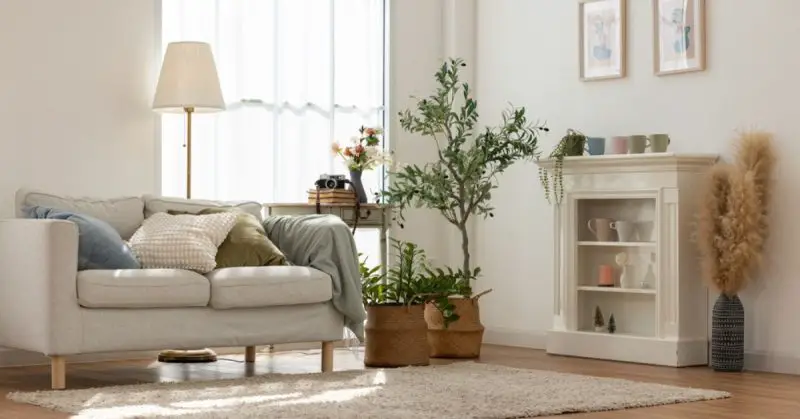
 Your living room is where life happens. It’s where you host guests, unwind after work, binge-watch your favorite shows, and spend quiet weekends with family. Yet one design feature often gets overlooked: your living room windows. These windows are not just openings to the outdoors—they shape how your space feels, looks, and functions every single day.
If your living room windows feel dull, outdated, or disconnected from the rest of your décor, you don’t need a full renovation to fix them. With the right design strategies, styling choices, and smart upgrades, you can make your living room windows fresh and stylish while improving light, comfort, and even energy efficiency. In this detailed guide, you’ll learn practical steps, real-life examples, expert insights, and common mistakes to avoid so you can confidently upgrade your space.

Why Living Room Windows Matter More Than You Think
Before diving into styling tips, it’s important to understand why living room windows play such a crucial role in interior design.
1. They Control Natural Light
Natural light impacts mood, productivity, and overall well-being. According to the Harvard T.H. Chan School of Public Health, exposure to natural daylight supports circadian rhythms and improves sleep patterns. Bright, well-designed living room windows can:
-
Make small spaces appear larger
-
Reduce the need for artificial lighting
-
Enhance wall colors and furniture finishes
-
Improve your overall mood
2. They Influence Energy Efficiency
The U.S. Department of Energy reports that heat gain and heat loss through windows account for 25%–30% of residential heating and cooling energy use. Upgrading or properly dressing your living room windows can reduce energy waste and lower utility bills.
3. They Frame Your View
Your windows are like built-in artwork. Whether you overlook a garden, city skyline, or quiet street, properly styled living room windows highlight the view and make it feel intentional.
Step 1: Assess Your Current Living Room Windows
Before buying curtains or blinds, take a practical inventory.
Ask Yourself:
-
Are the windows too bare or overly heavy?
-
Do they let in enough light?
-
Are they energy efficient?
-
Do they match the style of the room?
-
Is the hardware outdated?
Quick Evaluation Checklist
| Element | Good Condition? | Needs Upgrade? |
|---|---|---|
| Window frames | ☐ | ☐ |
| Glass clarity | ☐ | ☐ |
| Curtains/blinds | ☐ | ☐ |
| Hardware (rods, hooks) | ☐ | ☐ |
| Insulation | ☐ | ☐ |
This honest evaluation helps you avoid unnecessary spending and focus on impactful upgrades.
Step 2: Choose the Right Window Treatments
Window treatments are the fastest way to make your living room windows fresh and stylish.
1. Curtains and Drapes
Curtains add softness, height, and texture.
Best Practices:
-
Hang rods 4–6 inches above the window frame to create the illusion of taller ceilings.
-
Let curtains fall just above the floor or lightly touch it.
-
Choose wider panels so they look full when closed.
Fabric Options:
-
Linen – Light and breathable for a relaxed look.
-
Velvet – Luxurious and ideal for formal living rooms.
-
Cotton blends – Practical and versatile.
Real-Life Example
A homeowner in Chicago replaced short, heavy drapes with floor-length linen panels in a neutral shade. The result? The room appeared larger and brighter without changing any furniture.

2. Blinds and Shades
If you prefer a cleaner, modern aesthetic, blinds and shades offer control and simplicity.
Popular Choices:
-
Roller shades (minimal and sleek)
-
Roman shades (structured yet soft)
-
Wooden blinds (natural warmth)
-
Cellular shades (energy-efficient)
According to the U.S. Department of Energy, cellular shades can reduce heat loss through windows by up to 40% in winter.
3. Layered Treatments
Layering combines style and function.
Example combination:
-
Sheer curtains for daytime light
-
Blackout panels for evening privacy
Layering is especially effective for large living room windows or bay windows.
Step 3: Upgrade Window Hardware
Outdated rods and brackets can undermine even the best curtains.
What to Look For:
-
Matte black for modern interiors
-
Brushed brass for warm, contemporary spaces
-
Wood rods for rustic or farmhouse styles
-
Slim metal rods for minimalist rooms
Small hardware upgrades often cost under $100 but can completely elevate living room windows.
Step 4: Use Color Strategically
Color dramatically influences how fresh and stylish your living room windows feel.
1. Neutral Approach
White, cream, beige, and soft gray keep the space light and timeless.
Best for:
-
Small living rooms
-
Scandinavian or minimalist styles
-
Rental properties
2. Bold Statement
Deep navy, forest green, or terracotta curtains can anchor the room.
Use bold window treatments if:
-
Walls are neutral
-
Furniture is simple
-
You want a focal point
3. Patterned Fabrics
Patterns add energy but require balance.
Tips:
-
Match scale to room size (large patterns for big rooms).
-
Coordinate with throw pillows or rugs.
Step 5: Embrace Natural Light
Making your living room windows stylish isn’t just about what you add—it’s also about what you remove.
Tips to Maximize Light:
-
Clean windows inside and out.
-
Remove heavy valances.
-
Use sheer panels.
-
Trim outdoor shrubs blocking sunlight.
According to research published in the Building and Environment Journal, daylight improves occupant comfort and productivity.
Step 6: Add Decorative Elements Around Living Room Windows
Think beyond curtains.
1. Window Sills
Turn them into styled surfaces:
-
Potted plants
-
Small sculptures
-
Framed art leaning against the glass
-
Decorative books
2. Built-In Seating
If space allows, create a window bench. This works especially well with large living room windows.
3. Molding and Trim
Upgrading trim with wider molding creates architectural interest.
Step 7: Consider Seasonal Adjustments
Your living room windows should adapt to seasons.
Summer:
-
Light linen curtains
-
UV-blocking shades
-
Bright, airy colors
Winter:
-
Heavier drapes
-
Thermal liners
-
Rich, warm tones
Seasonal swaps keep your space feeling fresh year-round.
Step 8: Modernize the Windows Themselves
Sometimes the frame or glass needs updating.
When to Replace Windows
Consider replacement if:
-
You feel drafts
-
There’s condensation between panes
-
Frames are warped or damaged
ENERGY STAR-certified windows can lower household energy bills by an average of 12% (https://www.energystar.gov).
Step 9: Smart Technology for Living Room Windows
Smart home upgrades make windows both stylish and functional.
Options Include:
-
Motorized blinds
-
Smart tint glass
-
App-controlled curtain tracks
Smart window treatments integrate with systems like Alexa or Google Home for convenience.
Common Mistakes to Avoid
-
Hanging curtains too low.
-
Choosing fabric that’s too thin for privacy.
-
Ignoring scale in large living rooms.
-
Blocking natural light with bulky furniture.
-
Forgetting about energy efficiency.
Frequently Asked Questions
How often should I update living room windows?
Window treatments typically last 5–10 years, depending on fabric quality and sun exposure.
What’s the most affordable way to refresh living room windows?
Switching hardware, adding sheer panels, or painting window trim are budget-friendly options.
Are blackout curtains suitable for living rooms?
Yes, especially for media rooms or homes with large street-facing windows.
A Simple 7-Day Makeover Plan
Day 1: Measure windows accurately
Use a metal measuring tape for precision and measure width and height in three places (top, middle, bottom). Record the largest width and the longest height to ensure full coverage. If you plan to mount curtains higher than the frame, include that extra space in your measurements.
Day 2: Choose fabric or blinds
Consider function first, then style. Do you need privacy, light filtering, or blackout coverage? Order fabric samples if possible to see how the color looks in your living room’s natural light before committing.
Day 3: Order hardware
Select rods and brackets that complement your interior style and are strong enough to support the fabric weight. Double-check rod length—ideally it should extend 6–12 inches beyond each side of the window to make your living room windows look wider.
Day 4: Clean windows and frames
Deep clean the glass, wipe down frames, and repair minor paint chips. Clean windows allow maximum light in and instantly make the space feel fresher before any new treatments are installed.
Day 5: Install hardware
Use a level to ensure rods are straight and symmetrical. Secure brackets into studs or use proper wall anchors for stability. Correct installation prevents sagging later.
Day 6: Hang treatments
Steam or iron curtains before hanging to remove creases. Adjust panel spacing so they look evenly distributed and full, even when open.
Day 7: Style surrounding décor
Add simple finishing touches like a plant on the windowsill, a nearby floor lamp, or updated throw pillows that coordinate with the new window treatments. These details help your living room windows feel intentional and cohesive.
Case Study: From Dull to Designer
A family in Manchester updated their living room windows by:
-
Replacing short polyester curtains with floor-length linen panels
-
Installing matte black rods
-
Adding sheer underlayers
-
Painting trim crisp white
Total cost: Under $600
Result: Brighter, modern, cohesive living space.
Final Thoughts: Elevate Your Living Room Windows with Confidence
Refreshing your living room windows is one of the most powerful ways to upgrade your entire space without major renovation. From choosing the right window treatments to improving energy efficiency and maximizing natural light, each small change adds up. When you approach your windows thoughtfully—considering color, fabric, hardware, lighting, and seasonal adjustments—you create a room that feels brighter, more comfortable, and truly styled.
The key takeaway is simple: start with assessment, prioritize light and proportion, and make practical improvements before decorative ones. Whether you opt for layered curtains, sleek blinds, smart upgrades, or subtle styling tweaks, your living room windows can become a defining feature of your home rather than an afterthought.
Why This Article Was Rewritten
This article was rewritten to inspire and educate readers who want practical, achievable ways to improve their living room windows. The goal is to provide clear guidance, expert-backed information, and real-life examples so readers feel confident making changes that truly enhance their homes.
Sources
-
U.S. Department of Energy – Energy Saver: Windows
https://www.energy.gov -
ENERGY STAR – Window Replacement Savings
https://www.energystar.gov -
Harvard T.H. Chan School of Public Health – Healthy Buildings Program
https://www.hsph.harvard.edu -
Building and Environment Journal – Daylighting Research
https://www.sciencedirect.com/journal/building-and-environment