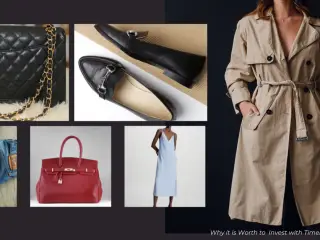
Thrift flipping has grown into a popular and profitable practice that blends creativity, sustainability, and entrepreneurship. The concept is straightforward: identify undervalued or unique clothing and accessories, refresh or style them, and resell for a profit. However, success requires a strategic approach, meticulous attention to detail, and a keen eye for fresh trends. Here’s a complete 15-step guide to mastering the art of thrift flipping.
1. Define a Clear Vision
A successful thrift flipping journey begins with a clearly defined vision. Identifying a niche or aesthetic provides focus and purpose, turning random shopping trips into strategic hunts for valuable finds. This niche could be vintage denim, retro dresses, streetwear, designer accessories, or specialized categories such as 90s sportswear or sustainable fashion pieces. Beyond the type of item, consider the desired style—whether casual, edgy, minimalist, bohemian, or preppy—so that each purchase contributes to a cohesive, appealing collection. Having this clarity helps filter options while browsing, making it easier to spot items that align with your goals and reducing wasted time, effort, and money on pieces that may not sell.
Creating a visual reference system reinforces this vision. Mood boards, digital style journals, or Pinterest collections can document favorite brands, colors, patterns, textures, and outfit ideas. Over time, reviewing these boards reveals recurring themes and preferred aesthetics, allowing for sharper decision-making and a consistent brand identity. A strong vision also informs pricing and styling choices, ensuring each item added to the inventory fits a deliberate strategy. By establishing this foundation, every thrifted piece is a purposeful addition, turning a casual hobby into a mindful, profitable, and sustainable practice.
2. Create a Style Reference Board
Curating a style reference board is a powerful way to visualize your aesthetic and streamline thrift flipping. This can be digital or physical, depending on personal preference. Collect images of favorite looks, brands, textures, fabrics, and colors that resonate with your style. Platforms like Pinterest or Instagram are ideal for digital boards, allowing for easy organization, tagging, and saving inspiration from across the web. A physical board, on the other hand, can include magazine clippings, fabric swatches, or sketches, giving a tactile and immersive experience.
Over time, this collection becomes a practical tool for identifying recurring patterns and refining taste. It highlights which colors, cuts, and textures repeatedly appeal, helping to make focused, intentional purchases while thrift shopping. By referencing the board in-store or while browsing online marketplaces, it’s easier to quickly spot items that fit your vision, reducing impulse buys and unsellable purchases. A well-curated board not only supports consistency in style but also serves as a creative roadmap for building a cohesive, desirable resale inventory.
3. Scout the Right Places
Finding valuable items for thrift flipping begins with knowing where to look. Traditional sources, such as thrift stores, estate sales, garage sales, and flea markets, are excellent starting points, often hiding unique, high-quality, or vintage pieces at low prices. Each type of venue offers different advantages: estate sales and garage sales may provide rare designer items or one-of-a-kind finds, while thrift stores and flea markets often have a rotating inventory that rewards frequent visits. Developing a routine for checking these locations increases the chance of spotting hidden gems before other buyers.
Online marketplaces are equally essential in modern flipping. Platforms like Depop, Poshmark, eBay, and Etsy offer access to a broader selection, sometimes including rare or niche items not available locally. Each platform has its own audience and style preference, so understanding where your target items sell best can save time and improve profitability. Consistently monitoring these digital spaces, combined with in-person scouting, creates a comprehensive sourcing strategy that ensures a steady supply of quality inventory ready for styling and resale.
4. Inspect for Quality
Carefully check for stains, tears, odors, missing buttons, broken zippers, and worn linings. Minor imperfections can often be repaired, but severely damaged items can significantly reduce their resale value and increase repair costs.
5. Focus on Brands and Materials
Identifying the right brands and materials is key to maximizing resale potential. Designer labels, cult-following brands, and high-quality, timeless fabrics—such as leather, wool, denim, and silk—tend to attract buyers quickly and maintain higher resale value. Even mid-range brands with strong followings can be profitable if their pieces are well-made, versatile, and in demand. Understanding which brands are trending or have a loyal audience enables more strategic purchasing, thereby reducing the risk of unsellable inventory.
Materials play an equally important role. Durable fabrics, such as leather and denim, often retain their structure and appearance over time, making them more appealing to buyers. Natural fabrics like wool and silk can command premium prices if well-maintained, while synthetic blends may appeal for their affordability and trendiness. Researching both the brands and materials that resonate with your target market ensures that each thrifted item has a strong chance of selling, turning thoughtful sourcing into profitable flips.
6. Consider Seasonal Trends
Awareness of seasonal trends is essential for maximizing profit in thrift flipping. Certain clothing items and accessories perform better during specific times of the year, so timing both purchases and listings strategically can make a big difference. Winter coats, boots, and holiday sweaters, for example, typically sell faster and at higher prices in the fall and early winter. At the same time, lightweight dresses, shorts, and summer accessories see increased demand in spring and summer. Paying attention to seasonal cycles allows for smarter shopping and helps avoid stockpiling items that may linger unsold for months.
Seasonal awareness also extends to fashion trends and buyer preferences. Colors, patterns, and silhouettes often shift with the seasons—pastels and florals are popular in spring, while earthy tones dominate fall. Staying informed about fashion forecasts and trending styles can help identify which items are likely to sell quickly. By aligning purchases and listings with seasonal demand, thrift flippers can enhance profitability, reduce holding times, and maintain a dynamic inventory that consistently appeals to buyers.
7. Style and Present Items Creatively
Presentation plays a critical role in attracting buyers and maximizing resale value. Enhancing the appeal of each piece through thoughtful styling and photography helps potential buyers envision how it can fit into their wardrobe. Use natural lighting whenever possible to show true colors and textures, and choose clean, uncluttered backdrops that allow the item to stand out. Mannequins, models, or flat-lay setups can add dimension and context, making images more engaging and professional.
Highlighting unique details is equally important. Embroidery, distinctive patterns, vintage cuts, and fabric textures often make pieces stand out from the competition. Close-up shots of these elements, combined with images that showcase the overall fit and style, create a compelling listing that captures attention. Effective styling and photography not only enhance the perceived value of items but also establish credibility and trust with buyers, increasing the likelihood of a quick sale and potentially leading to higher profits.
8. Make Minor Alterations
Minor alterations a, such improvements can significantly increase the resale value of thrifted items. Tailoring, cana dress or jacket for a better fit, sewing on missing buttons, patching worn areas, or adding subtle embellishments can transform overlooked pieces into polished, desirable products. Even simple upgrades, such as replacing broken zippers or reinforcing seams, demonstrate quality and care, making items more attractive to buyers who value durability and presentation.
Beyond structural fixes, refreshing garments through proper cleaning and presentation is essential. Washing, steaming, or lightly pressing fabrics removes odors, wrinkles, and dust, instantly elevating the item’s appeal. Minor touches like these create a market-ready product that looks cared-for and professional, giving buyers confidence in their purchase. These small investments in time and effort often yield significant returns, turning otherwise ordinary finds into profitable, highly sellable pieces.
9. Price Strategically
Research similar items on resale platforms to determine competitive pricing. Factor in brand, rarity, material, condition, and market trends to determine the value. Pricing should strike a balance between profitability and attractiveness to buyers.
10. Choose the Right Resale Platforms
Different platforms cater to different audiences:
- Depop: trendy, youth-oriented pieces
- Poshmark: branded and designer items
- Etsy: vintage or handmade clothing
- eBay: rare, collectible, or global sales
Understanding fees, shipping logistics, and audience preferences is key to consistent sales.
11. Invest in Essential Tools
A steamer or iron, sewing kit, lint roller, garment cleaner, and photography equipment enhance presentation and reduce preparation time. Even small props or backdrops can dramatically improve listings.
12. Organize Inventory and Finances
Track each item, including cost, acquisition date, condition, and sale price, using spreadsheets or inventory management apps. This enhances pricing decisions, identifies best-selling items, and facilitates cash flow management for growing operations.
13. Build a Brand and Audience
Curate a cohesive online presence with consistent photography, style, and messaging. Share styling tips, behind-the-scenes stories, and thrift adventures to engage followers and build trust, turning one-time buyers into repeat customers.
14. Leverage Community Knowledge
Engage with online groups, social media communities, and local flippers to exchange tips, discover trends, and learn sourcing secrets. Networking can provide mentorship, collaboration, and swap opportunities, enhancing business growth.
15. Track, Reflect, and Adapt
Regularly evaluate which items sell quickly, which platforms perform best, and which trends resonate with buyers. Experiment with new niches, styles, and platforms while learning from past successes and mistakes. Adaptation and flexibility are crucial for long-term success in flipping.
Turning Hidden Gems Into Sustainable Style
Thrift flipping merges style, sustainability, and entrepreneurship into a rewarding practice. By shopping smart, styling creatively, researching trends, investing in the right tools, staying organized, and learning from the Community, anyone can transform hidden gems into profitable, desirable pieces. Beyond profit, thrift flipping encourages conscious fashion choices, a sustainable mindset, and a unique, personal style.