Mini bags were once everywhere. For several seasons, tiny handbags and micro purses dominated runway shows, street style feeds, and celebrity arm candy alike. They were touted as chic accents that added polish to outfits while celebrating minimalism and sartorial playfulness. However, the fashion pendulum has swung again. Designers, influencers, and everyday fashion lovers are turning toward larger, more functional handbags that suit the demands of modern life. This shift reflects broader cultural, practical, and stylistic trends shaping how people think about accessories today.
This article explores why mini bags are out this year, examining the cultural forces, consumer desires, and design innovations driving the resurgence of larger silhouettes and more practical alternatives. It also highlights the handbag trends that are replacing mini bags and offers insights into what fashion insiders and brands are embracing for 2026.
The Rise And Fall Of The Mini Bag
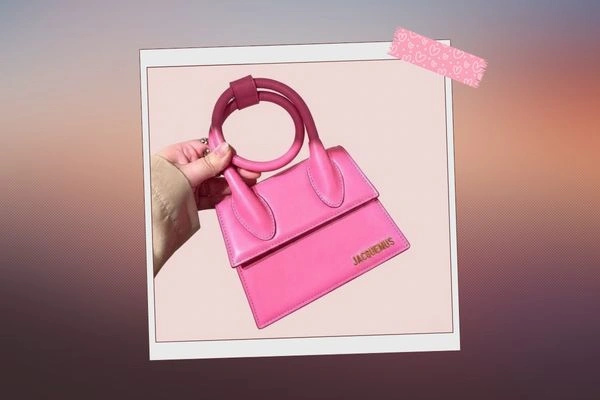
While these tiny handbags had their moment, their practicality limitations grew more apparent over time. Consumer behavior and everyday needs began to clash with the ultra‑small size of mini bags. Many fashion commentators and operators began to question whether the trend was sustainable for real life, given that many people carry more than just a few essential items daily.
A Shift Toward Function And Versatility
One of the core reasons mini bags are losing their dominance is the growing demand for practicality in accessories. In contrast to decorative pieces that hold only a phone, a card, and a lipstick, many consumers now want handbags that can carry daily essentials without forcing them to carry additional bags or rely on pockets.
Bag trend reports highlight this shift. Modern buyers increasingly favor compact-max designs that offer the visual appeal of smaller silhouettes while maximizing internal capacity. These bags balance minimal exterior size with thoughtful interior engineering, allowing consumers to carry items like beauty tools, personal care essentials, and small tech devices. This approach has emerged as a definitive standard in bag design.
With practical capacity gaining importance, larger and more thoughtfully structured bags naturally feel more appealing than micro mini purses that fail to cover everyday needs. This shift is not just about function, but also about the emotional satisfaction of choosing accessories that support real life rather than simply serving as ornamental accents.
Runway And Industry Trends Back Larger Silhouettes
Fashion runways and trend reports provide strong signals about where handbag design is headed. For Spring/Summer 2026, major fashion houses and contemporary designers presented collections featuring oversized, slouchy, and practical bag silhouettes that contrast sharply with the tiny dimensions of mini bags. Oversized totes and relaxed hobo shapes were prominent, emphasizing effortless cool over impractical petite formats.
This preference for larger forms reflects several emerging aesthetic principles:
- Functionality Over Form Alone: Large bags communicate utility and adaptability, making them suitable for work, travel, or daily errands.
- Statement Through Scale: Oversized pieces make a bold visual impact and balance proportions in modern outfits.
- Comfort And Confidence: A roomy bag can make people feel prepared and self‑sufficient, carrying everything they need without compromise.
These trends reframe handbags as practical style tools rather than ornamental accessories, aligning with the modern consumer preference for versatility.
Social Media And Consumer Behavior Influence
Social media heavily influences fashion trends, and today’s consumers are more likely to share “what’s in my bag” content that demonstrates real‑world capacity and usefulness. Videos that show a bag comfortably holding essential items—wallets, chargers, notebooks, beauty kits, and personal items—tend to generate higher engagement and trust from potential buyers. This emphasis on practicality shapes expectations and ultimately design priorities in the handbag market.
Platforms such as TikTok and Instagram encourage transparency and utility. Brands that tap into these desires by showcasing interior capacity, durable hardware, and everyday usefulness are more likely to attract enthusiastic audiences and repeat buyers. When consumers see how a larger bag can fit their lives, they naturally gravitate away from tiny mini bags that were previously prized for aesthetics alone.
Celebrity Impact On Bag Trends
Celebrity influence remains significant in fashion trends. While high‑profile figures and Instagram stars once championed mini bags, recent moments have highlighted a shift toward larger bags in real life. For example, actress Jennifer Lawrence was photographed carrying a roomy tote bag at a high-fashion event, a choice that resonated with fashion‑minded audiences and sparked interest in similar styles that combine elegance with practicality.
These high‑visibility moments reinforce the narrative that fashion can be both stylish and functional. When celebrities demonstrate that roomy, structured bags look chic even in luxe contexts, it broadens the appeal of these pieces beyond traditional luxury shoppers. A larger bag can feel just as aspirational as a mini bag, and sometimes even more relevant to everyday life.
View this post on Instagram
Practicality In Modern Lifestyles
Lifestyle changes also influence handbag preferences. Many people live dynamic lives that involve commuting, travel, gym sessions, work meetings, errands, social events, and caregiving roles. In these contexts, the camera‑ready small bag often fails to meet practical needs.
Larger handbags provide the flexibility to carry items for multiple parts of a day without packing a secondary bag. For example:
- A structured tote can hold a laptop and lunch on weekdays.
- A roomy shoulder bag can accommodate beauty products and personal electronics.
- A slouchy hobo can transition easily from work to the weekend.
This practicality is increasingly valued, especially when fashion and utility merge without sacrificing aesthetic appeal.
Evolution Of Minimalism And Maximalism
Mini bags were once aligned with minimalist fashion trends that prized pared‑down accessories and sculptural silhouettes. However, current trends blend practicality with expression, shifting toward maximalist bag design elements such as bold textures, chains, hardware, and expressive shapes that demand attention without relying on tiny proportions.
Rather than shrinking accessories to ultra‑small sizes, designers are celebrating visual weight and confident styling that integrates bags into outfits as statement pieces. This includes options like oversized shoulder bags, slouchy totes, structured satchels, and hybrid designs that pair small pouches with larger bodies for a layered look.
Mini Bags Still Have A Place, But Their Role Has Shifted
Although mini bags are less dominant as standalone daily accessories, they have not disappeared entirely. Instead, their role is changing:
- Mini bags are now worn as ornamental accents or bag charms.
- Small bag silhouettes are integrated into layered designs where a tiny companion satchel nests inside a larger tote or hangs from a strap.
- Some mini bags are reimagined as mobile phone purses that carry essentials in a way that feels more functional than earlier iterations.
This shift suggests that mini bags remain relevant when they offer a clear purpose or are used creatively, but they are no longer the defining bag trend of the season.
Brand Strategies And Market Responses
Fashion labels are responding to these shifts in shopper behavior. Many luxury houses and contemporary brands are expanding their offerings of larger, multifunctional handbags while also experimenting with designs that merge style and utility. Some key trends include:
- Structured Totes And Carryalls from brands like Louis Vuitton and Bottega Veneta.
- Slightly Larger Shoulder Bags that maintain a sleek look but offer daily convenience.
- Hybrid Bag Systems that include both larger storage and mini pouches for essential items.
Brands that once focused heavily on tiny silhouettes are now pushing styles that feel more substantial and adaptable, meeting consumer demand for handbags that fit real lives without sacrificing fashion credibility.
Practical Tips For Styling Larger Bags
As larger bags make a comeback, here are some styling tips to help incorporate them into outfits effectively:
Balance Proportions
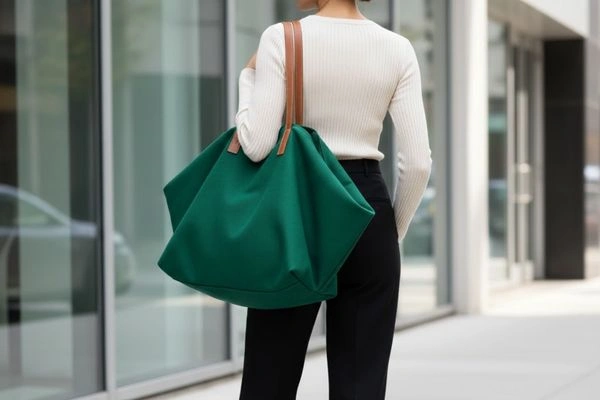
Pair a voluminous bag with streamlined clothing, such as tailored trousers and fitted tops, to ensure the bag becomes a statement piece without overwhelming the outfit.
Mix Textures
Combine textures like buttery leather, suede, and woven fabrics to add depth and visual interest. A smooth leather tote can elevate casual denim, while a textured hobo bag accentuates knitwear.
Choose Functional Hardware
Opt for bags with practical features such as sturdy straps, secure closures, and interior pockets. These details improve usability and help maintain the bag’s shape.
Coordinate Colors
Neutral colors such as black, brown, and taupe remain timeless, while bold tones like deep green or mocha add personality. Consider seasonal color trends, such as rich autumnal hues for fall or pastel accents for spring.
The Future Of Handbag Trends
The trend away from mini bags reflects a broader recalibration in fashion. Consumers are demanding accessories that bring together style, utility, and longevity. As lifestyle needs continue to evolve, handbags will likely continue to adapt, balancing expressive design with real‑world functionality.
Oversized bags, compact‑max designs, and hybrid silhouettes that blend small and large elements are positioned to define handbag fashion for the rest of the year and beyond. Brands and consumers alike are moving toward accessories that feel intentional and purposeful, driven by a desire for authenticity in both style and daily life.
Why Mini Bags Are Out And Functional Styles Are In
Mini bags had a remarkable run, shaping fashion narratives and inspiring countless outfit ideas. Their decline in dominance this year is not a rejection of their aesthetic appeal, but rather an evolution toward more practical, versatile, and confidence‑boosting handbag designs. Larger, multifunctional bags now reflect how people live and dress, offering a sense of readiness and style that resonates with contemporary needs. Whether you choose a large tote for work, a roomy shoulder bag for travel, or a stylish hybrid silhouette for everyday life, handbags continue to act as powerful fashion statements with purpose at their core.