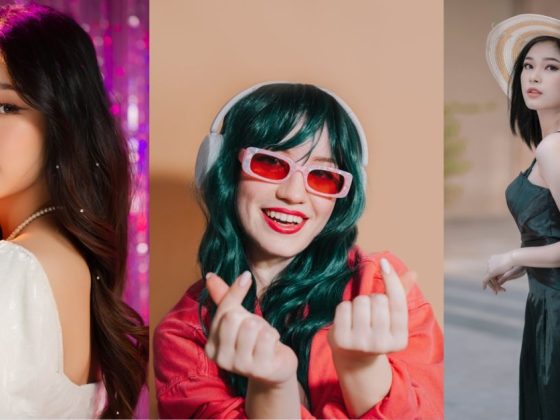
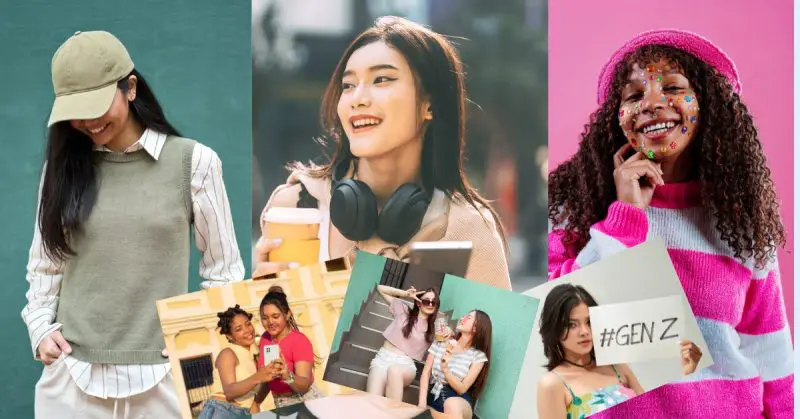
 Generation Z isn’t just wearing clothes — they’re rewriting the fashion rulebook. From sustainability to gender-fluid statements, this generation’s style choices reflect their values, identity, and a radical new sense of what “looking good” means.
Why Gen Z Fashion Trends Deserve a Closer Look
Younger consumers today — broadly grouped under Generation Z (usually born between the mid-1990s and early 2010s) — are rewriting the playbook on fashion. Globally, they already represent about 25–32 % of the world’s population.
But sheer numbers are just the beginning. Gen Z’s collective spending power is projected to soar to as much as US$12 trillion by 2030 — making them potentially the largest, wealthiest consumer generation in history.
Even now, their choices increasingly steer the fashion industry: where to shop, what to buy, and even which aesthetics become trending.
So if you’re revamping your wardrobe — or building a brand targeting younger audiences — tapping into Gen Z’s fashion mindset isn’t optional. It’s essential.
What Drives Gen Z Style: Values, Identity & Realism
To understand their fashion, you’ve got to know their values. Several recent studies — including the 2025 Deloitte survey — show Gen Z is strongly shaped by ideals beyond surface — often summarized as money, meaning, and well-being.
Here’s a snapshot of what influences their fashion decisions:
-
Digital-native & socially connected: Gen Z grew up with social media. Platforms like YouTube, Instagram, and TikTok aren’t just entertainment — they’re where trends are born and shared.
-
Purpose over flash: Sustainability, ethical sourcing, inclusivity, social justice — these aren’t just buzzwords. For many Gen Zers, they’re non-negotiables.
-
Authenticity & individuality: Rather than following one strict “fashion code,” Gen Z celebrates personal style — mixing genres, eras, and identities.
-
Practicality & comfort: With economic pressures mounting, many prioritize value, comfort, and longevity over fleeting trends. According to a 2025 analysis by PwC, Gen Z cut back apparel spending by 13% year-to-date, signaling a shift toward “value-conscious” consumption.
In short: Gen Z treats fashion like a conversation — not a commodity. They want clothes to reflect who they are, what they care about, and how they live.
12 Trends Defining Gen Z Fashion in 2025
Below are the most vibrant and influential fashion directions emerging among Gen Z — with tips on how you (yes, even if you’re not Gen Z) can embrace them with style and integrity.
1. Sustainable & Circular Fashion
Far from being a fringe interest, sustainability is now a driving force in fashion consumption. Over 60 % of Gen Z consider a brand’s sustainability efforts important when buying clothes.
The market is following suit: the global sustainable fashion industry is projected to grow more than 9% annually through 2030.
How to embrace it:
-
Explore thrift shops, consignment stores, and resale platforms — many Gen Zers start here before buying new.
-
Opt for garments made with organic, recycled, or sustainably sourced materials. Check labels.
-
When shopping for new products, support brands that are transparent about labor practices and environmental impact.
“More than half of Gen Z shoppers prefer secondhand options when available.”
2. Streetwear and Elevated Casual
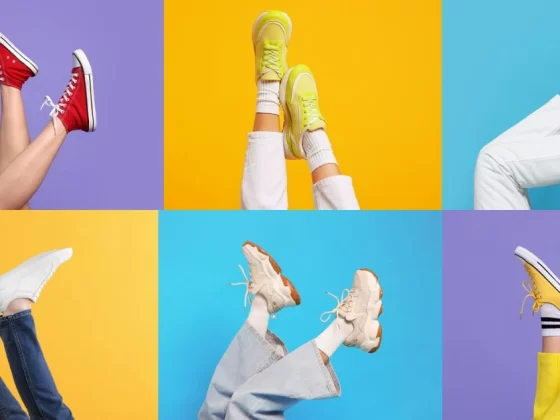
Streetwear isn’t just a trend — it remains a cornerstone. Think oversized hoodies, baggy pants, chunky sneakers, and graphic tees. But today’s streetwear leans more elevated and expressive.
Influenced by skate, hip-hop, early 2000s nostalgia, and even high-fashion collaborations, Gen Z merges comfort, identity, and bold statements in one.
Try this:
-
Pair baggy cargo pants with a fitted crop top or oversized tee for a balanced silhouette.
-
Add a statement sneaker or limited-release item to elevate the look.
-
Don’t shy away from layering — hoodies under blazers, oversized tees over mesh tops — layering adds depth and individuality.
3. Vintage, Retro & Nostalgia-Driven Styles
There’s something magical about taking old and making it new again. Retro styles — from ’60s mod to ’70s boho and ’90s grunge — are making waves. For many Gen Zers, thrift shopping isn’t just eco-friendly — it’s emotional, creative, and fun.
Tips to nail the look:
-
Scour thrift stores, consignment shops, or your parents’ closets for vintage treasures.
-
Mix eras — pair a ’90s denim jacket with a ’70s floral dress, or a ’60s mod skirt with modern sneakers.
-
Embrace texture and layering: corduroy, suede, paisley, flared pants — these add character and depth.
4. Y2K Revival — Bold, Fun, and Confident
Yes, low-rise jeans, cargo pants, butterfly clips, and neon prints are back — and Gen Z is running with it. The Y2K aesthetic captures a carefree, adventurous vibe, perfect for those who love fun, nostalgia, and bold self-expression.
How to wear it without looking costume-y:
-
Mix Y2K staples (like cargo pants or logo tees) with modern silhouettes — for example, wide-leg trousers instead of ultra-skinny jeans.
-
Start with one statement piece (like a neon jacket or chunky sneakers) and balance the rest with neutral basics.
-
Accessorize — chunky belts, layered necklaces, small handbags — details make the difference.
5. Gender-Fluid & Inclusive Fashion
Gen Z is reshaping gender norms — and fashion is one of their most powerful tools. Gender-fluid clothing is about freedom, expression, and rejecting traditional labels. Oversized blazers, baggy jeans, unisex tees, and sneakers make for wardrobe staples.
Want to get on board?
-
Mix pieces from different sections — don’t limit yourself to “men’s” or “women’s.”
-
Focus on fit, comfort, and how clothes make you feel, not how they’re marketed.
-
Experiment with neutral palettes, versatile silhouettes, and minimal logos for a clean, inclusive look.
6. Athleisure: Functional, Comfortable, Everyday
Athleisure — the fusion of athletic wear and everyday style — remains one of the most enduring Gen Z trends. It’s more than gym clothes; it’s lifestyle wear. Leggings, oversized sweatshirts, sports bras under blazers — you’ll see them on the street, in cafés, even at work.
Why it works: comfort, practicality, and a nod to wellness — all of which resonate with Gen Z’s values.
Pro tips:
-
Match leggings or joggers with structured pieces (like blazers or trench coats) to elevate the look.
-
Use sporty accessories — like a crossbody bag or minimalist sneakers — to keep the vibe casual but polished.
-
Invest in quality basics (neutral colors, breathable fabrics) — they’ll go further and look sharper.
7. Minimalism — Clean, Refined, Personal
For some Gen Zers, less is more. Minimalism has evolved beyond bland basics — now it’s about clean lines, neutral tones, and a refined silhouette that still feels personal and expressive.
One popular offshoot: the “coastal grandmother” aesthetic — think oversized knitwear, wide-leg trousers, soft color palettes, and a laid-back sophistication that works anywhere.
To channel minimalist chic:
-
Invest in timeless pieces — a well-cut pair of trousers, a comfy oversized sweater, a structured coat.
-
Stick to a neutral color scheme: beige, cream, charcoal, navy, black.
-
Let accessories pop — simple jewelry, small handbags, or classic sunglasses can make a minimal outfit feel curated.
8. Techwear & Futuristic Utility
Techwear brings together sleek aesthetics and functional design. With water-resistant fabrics, functional pockets, utility belts, and a mostly monochrome palette, it’s like the intersection of streetwear and sci-fi — and it fits Gen Z’s digital-native identity and practical mindset perfectly.
How to try it out:
-
Start with one techwear piece — a utility jacket, cargo pants, or waterproof sneakers — and build from there.
-
Embrace monochrome or neutral palettes: blacks, greys, navy — minimal color keeps the futuristic vibe.
-
Incorporate functional accessories: crossbody utility bags, minimalist caps, or even smart-tech accessories (like wireless earbuds, smartwatches).
9. Statement Accessories — Small Items, Big Impact
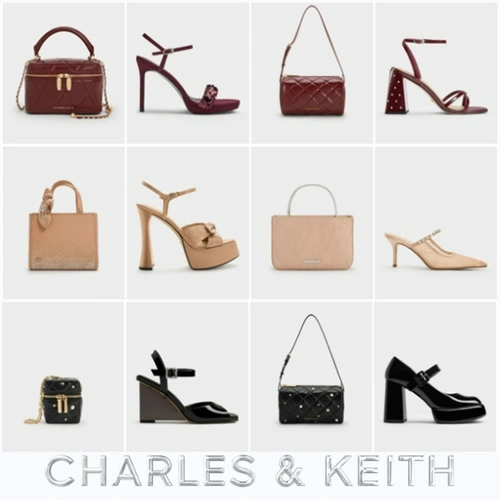
For Gen Z, accessories aren’t afterthoughts — they’re key mood setters. A vintage bag, chunky chain, bold belt, or unique earrings can turn a basic outfit into a personal statement.
Because many in Gen Z prefer thrifted or niche-brand accessories over mass-produced ones, these items tend to carry character, history, and individuality.
Ways to stand out:
-
Mix old and new: a vintage belt with modern jeans, or retro sunglasses with a contemporary outfit.
-
Prioritize quality over quantity: a few well-chosen accessories can transform multiple outfits.
-
Let accessories reflect your personality: quirky, bold, understated — whatever feels like you.
10. DIY, Up-cycling & Customization
Why settle for what’s out there when you can make it your own? DIY fashion — from patched-up jeans to painted jackets — remains a powerful way for Gen Z to express individuality and creativity.
And with print-on-demand platforms and small indie labels on the rise, customization has never been more accessible.
Try this if you’re crafty or curious:
-
Up-cycle thrifted clothes — add patches, embroidery, or fabric paint to make them one-of-a-kind.
-
Use print-on-demand services for custom tees, hoodies, or bags if sewing isn’t your thing.
-
Document your process and style — part of the appeal is storytelling.
11. Cottagecore & Romantic Revival
With wellness, self-care, and a desire to reconnect with simpler times, many Gen Zers are gravitating toward the soft, dreamy aesthetics of Cottagecore.
Expect flowy dresses, gingham skirts, layered fabrics, lace, oversized blouses with puffy sleeves — the kind of clothing you’d imagine in a countryside cottage, not a city sidewalk.
How to adopt the cottagecore vibe without going full pastoral:
-
Choose a statement item (like a floral dress or oversized blouse) and pair it with modern basics (like a denim jacket or sneakers).
-
Focus on soft, breathable fabrics — linen, cotton, muted prints.
-
Keep accessories simple — a straw bag, minimal jewelry, or a cozy knit scarf can complete the look.
12. Dark Academia & Intellectual Vintage
For those drawn to books, moody aesthetics, and old-school charm, the Dark Academia look offers something deeply personal. Think: long coats, turtlenecks, pleated skirts or trousers, earth tones, vintage-style shoes, thick knits, perhaps even wire-framed glasses.
It’s not about looking trendy — it’s about capturing a mood, a mindset: thoughtful, introspective, and timeless.
To embrace Dark Academia:
-
Start with wardrobe staples: a structured coat, a knit sweater, neutral trousers or pleated skirt.
-
Stick to a muted palette — browns, greys, navy, deep greens.
-
Add vintage-inspired accessories — leather-bound books, minimalist leather bags, simple jewelry, scarves.
What’s Driving These Trends?
Economic Reality Meets Style Consciousness
Despite their rising long-term earning potential, many Gen Zers face financial uncertainty: job instability, debt burdens, and rising inflation. A 2025 report from PwC shows Gen Z cut their apparel spending by 13% so far this year.
As a result, they’re more deliberate — hunting for “value,” waiting for sales, and embracing secondhand or resale options. Nearly 79 % say they’ll wait for a sale before buying, and a large share says they’ll spend less this holiday season.
Yet even with tightened budgets, their demand for authenticity and individuality remains strong. The outcome: smarter consumption, more expressive style.
Ethical & Environmental Consciousness
Gen Z came of age amid climate warnings, social justice movements, and growing distrust of “fast fashion.” As a result, they expect more from brands — transparency, ethics, and sustainable practices aren’t optional; they’re required.
This has fueled massive growth in sustainable fashion: the global eco-fashion market is expanding 8–10% annually, and secondhand/circular fashion is becoming more mainstream.
Moreover, resale platforms and thrift culture aren’t just budget hacks — they’re political and personal statements.
Social Media, AI & Fast-Moving Trends
For Gen Z, fashion doesn’t exist in a vacuum — it lives on screens. Instagram, TikTok, YouTube, and other platforms are where new trends are born, spread, and evolve — often overnight.
Fashion is now democratized: niche creators, everyday people, and micro-brands can influence what’s “in.” That means rapid cycles — but also endless possibilities.
At the same time, younger shoppers are increasingly using AI tools to discover style, get outfits recommended, or find deals.
How to Build a Gen Z–Friendly Wardrobe (Or Brand)
If you want a wardrobe that reflects today’s Gen Z energy — or you’re building a brand that speaks to them — here are practical tips.
For Individuals
-
Start with basics — invest in quality staples (neutral trousers, timeless sweaters, minimal outerwear) that can be styled with different trends.
-
Mix new with secondhand — buy vintage or thrifted pieces for uniqueness, then pair with modern staples for balance.
-
Let accessories do the talking — a unique bag, scarf, or jewelry can transform a simple outfit into something expressive.
-
Think sustainability first — look for eco-friendly materials, circular fashion, and transparent brands.
-
Stay flexible — mix trends (e.g. streetwear + cottagecore, techwear + minimalist, Y2K + vintage) to create a look that’s uniquely yours.
For Brands & Creators
-
Prioritize transparency and ethics — production practices, sustainable sourcing, size inclusivity — these matter to Gen Z.
-
Embrace resale or circular models — resale platforms, customizable items, up-cycling programs — these attract younger, eco-aware consumers.
-
Leverage social media and AI — use short-form video, authentic storytelling, and smart tools (recommendation engines, virtual try-ons) to engage Gen Z.
-
Offer versatility and inclusivity — gender-neutral sizing, adjustable fits, multiple style aesthetics. This broadens appeal and signals values.
-
Stay nimble — with trend cycles accelerating, brands should be ready to pivot, collaborate, or launch limited-edition drops quickly.
What’s Changing Now — 2025 and Beyond
As we move deeper into 2025, several shifts are redefining what Gen Z fashion will look like in the coming years:
-
Resale & circular fashion is going mainstream: The global secondhand apparel market is already valued at ~US$55 billion in 2025, with projections pointing to roughly US$170 billion by 2035.
-
Ethical fashion demand keeps rising: The sustainable apparel market continues double-digit growth, driven by consumer demand for transparency, fair labor, and eco-friendly materials.
-
Gen Z shifting from impulse buys to intentional purchases: With economic pressure and a more value-conscious mindset, many are spending less, opting for quality over quantity.
-
Fashion meets technology — and social media: Expect more AI-driven tools, virtual try-ons, social commerce, and digital-first drop culture shaping what, how, and when we buy.
Why This Matters — For You, and For the Industry
Whether you’re curating your personal wardrobe or building a fashion brand, these Gen Z–driven trends aren’t just “what’s cool right now.” They reflect deeper shifts in values, identity, and how people relate to clothes.
-
For individuals: fashion becomes a tool — not just for looking good, but for showing who you are, what you believe, and how you want to live.
-
For brands: ignoring these shifts isn’t an option. Transparency, sustainability, inclusivity, and digital-first strategies are no longer optional — they’re essential for long-term relevance.
In that sense, Gen Z isn’t just following trends. They’re shaping a more conscious, inclusive, expressive — and interesting — future for fashion.
In Conclusion
Gen Z isn’t defined by one “look.” Their fashion is a mosaic — built from thrift store treasures, futuristic techwear, cozy cottagecore dresses, gender-fluid pieces, and bold accessories. What ties it all together isn’t trend-chasing, but values: sustainability, authenticity, comfort, expression, and individuality.
Whether you’re setting up your 2025 wardrobe or launching a brand aimed at youth, the lesson is simple: don’t follow trends — embody values.