Investing in precious gemstones is an exciting and rewarding pursuit that blends aesthetic beauty with potential financial benefits. Unlike stocks, bonds, or other intangible assets, gemstones are tangible items that can be touched, appreciated, and even worn. These unique traits make gemstones appealing both as collectible items and alternative investments. Over the past decade, interest in gemstones has increased among both seasoned investors and newcomers seeking portfolio diversification. This rise reflects broader trends in alternative assets, growing global wealth, and renewed interest in tangible stores of value.
Understanding how gemstone markets work, what drives value, and how to avoid common pitfalls is essential for anyone interested in building a gemstone investment strategy. Whether the intention is long‑term appreciation, creating heirloom pieces, or simply combining investment with artistic enjoyment, a solid foundation in gemstone knowledge helps ensure thoughtful decision-making.
Understanding Gemstones As Investment Assets
Gemstones are naturally occurring minerals or organic materials that have value due to their rarity, durability, and aesthetic characteristics. Historically, gemstones such as diamonds, rubies, sapphires, and emeralds have been seen as symbols of wealth and prestige. Their appeal transcends cultures and centuries, and even today, these stones remain among the most widely traded and sought-after in secondary markets.
In contrast to valuable metals like gold or silver, gemstones do not have standardized pricing on exchanges. Instead, their value depends on nuanced characteristics including color, clarity, cut, carat weight, and overall quality. These criteria influence how easily a gemstone can be resold and the price it commands.
Liquidity for gemstones varies widely. Premium gemstones with strong provenance, certification, and established demand can be relatively liquid when sold through reputable dealers or auction houses. Lesser-known stones or poorly documented pieces may be harder to sell at competitive prices. Market dynamics are shaped by global demand from key regions such as China, India, the Middle East, and Western markets, where cultural interest in colored gemstones remains strong, and collectors seek exquisite stones with investment potential.
Why Precious Gemstones Can Be a Valuable Investment
Strong Historical Demand And Scarcity
One of the most compelling reasons to consider gemstones as part of an investment strategy is their historical demand and natural scarcity. Certain gemstone varieties occur in limited quantities, and specific sources have become legendary for producing the finest quality stones. Burmese rubies with their deep red tones, Kashmiri sapphires prized for their cornflower blue color, and emeralds from Colombia known for their lush green hues have all commanded premium prices for generations.
The rarity of truly exceptional gemstones helps sustain demand in competitive markets. Recent reports have highlighted extraordinary pricing for rare finds. For example, Paraíba tourmaline, a vivid blue‑green gemstone first discovered in Brazil, has experienced dramatic price increases following disruptions at major mining sites. High‑quality stones from sources have been known to fetch prices that surpass traditional benchmarks like gold per carat.
Tangible Asset With Intrinsic Beauty
Unlike stocks or digital assets, gemstones offer both visual and tangible appeal. Owning a gemstone means enjoying its color, sparkle, and craftsmanship while also holding an asset with potential resale value. This dual value proposition appeals to investors who wish to combine financial strategy with aesthetic appreciation or personal use. A well‑selected gemstone can be set into jewelry, worn on special occasions, or displayed as part of a collection, making it a versatile investment.
Potential Hedge Against Inflation
Precious gemstones can act as a store of value during periods of economic uncertainty or inflation. Historically, tangible assets have provided a hedge against weakening currencies and market volatility because they do not rely on government or corporate performance. While gemstones have their own market cycles, their limited supply and enduring desirability provide an alternative to traditional financial assets when economic conditions shift.
Choosing The Right Gemstones For Investment
Selecting the correct gemstones for investment requires research, knowledge of quality indicators, and understanding how market trends impact value. Not all gemstones carry the same investment potential, and certain types remain more desirable and valued than others.
Classic Blue Chip Gemstones
Rubies
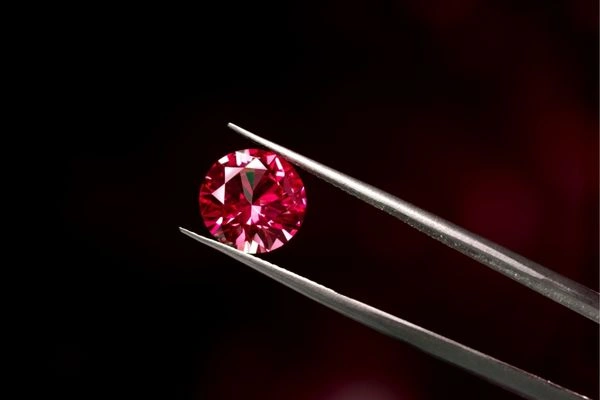
Rubies have long been considered among the most valuable colored gemstones. The most desirable rubies exhibit a rich, vibrant red tone often referred to as “pigeon’s blood.” Stones from Myanmar, particularly those with historical provenance, command substantial premiums due to their rarity and exceptional color quality. High‑grade rubies often appreciate steadily over time.
Sapphires
Blue sapphires are widely recognized and cherished for their deep blue hues and remarkable durability. Stones from classic sources such as Kashmir, Sri Lanka, and Madagascar consistently attract collectors and investors. Their timeless appeal and relative resistance to scratching make them resilient investments.
Emeralds
Emeralds are celebrated for their deep, vibrant green hue, though many have natural inclusions. Exceptional emeralds with outstanding clarity and color can attract premium prices and international interest. Stones from Colombia, particularly those with deep, transparent green tones, often perform well in resale markets.
Emerging And Rare Gemstones
Alexandrite
Alexandrite is one of the most intriguing investment gemstones due to its color‑changing properties. Under daylight, it appears green, while incandescent light reveals red or purplish hues. This rarity and dramatic optical feature have driven collector interest, particularly for stones with strong color change and excellent clarity.
Paraíba Tourmaline
Paraíba tourmaline stands out for its neon‑like blue‑green tones. Discoveries in Brazil triggered global fascination, and later finds in Africa have expanded supply, though high-quality stones remain scarce. Demand for top-tier Paraíba tourmaline has surged, and select stones have achieved impressive auction results, reflecting their investment allure.
Key Investment Principles For Beginners
Successful gemstone investing requires thoughtful planning, discipline, and an understanding of market dynamics. These core principles provide a solid framework for beginners.
Define Clear Investment Objectives
Before acquiring any gemstone, it is vital to clarify investment goals. Are gemstones being purchased with the intention of long‑term appreciation, or is the goal to create pieces that can be worn and enjoyed? Defining purpose helps determine the budget, gemstone selection, and expected investment horizon.
Focus On Quality Over Quantity
It is better to own fewer high‑quality gemstones than many lower-quality ones. Stones with excellent color, clarity, cut, and desirable origin typically hold value better and are easier to trade. Quality remains a key driver in how a gemstone is perceived and valued.
Insist On Trusted Certification
Reputable certification is essential. Reputable laboratories like the Gemological Institute of America, Swiss Gemmological Institute, and Gübelin provide detailed reports verifying gemstone authenticity and treatment status. Certification increases buyer confidence, simplifies resale, and often enhances market value.
Work With Established Dealers
Dealing with reputable gemstone sellers reduces risk. Established dealers offer transparency regarding gemstone origin, treatments, and grading. Newer investors should avoid sources that lack verifiable history or may misrepresent natural and treated stones.
Adopt a Long-Term Horizon
Gemstone investment is typically a long-term strategy. Experts recommend holding premier gemstones for a decade or more to allow appreciation in line with market demand and scarcity trends. Patience usually leads to stronger returns than short-term speculation.
Diversify Within Tangible Assets
Diversification is also important within gemstone investing. Combining blue chip stones like rubies and sapphires with smaller allocations to rare stones such as Paraíba tourmaline or alexandrite helps balance risk. This approach mirrors diversification strategies used in traditional asset classes.
Protecting And Managing Your Gemstone Investment
Securing and managing gemstone assets is as important as selecting them. Appropriate practices ensure longevity and preserve value.
Secure Storage And Insurance
Store gemstones securely in a safe deposit box or a certified home safe with strong security features. Insuring gemstone assets protects against theft, loss, or damage. Policies tailored to fine jewelry and collectible stones provide peace of mind and financial protection.
Maintain Proper Documentation
Organized documentation supports authenticity and traceability. Keep certificates, receipts, and appraisals with the gemstone. This information is critical when selling, transferring, or insuring a piece.
Regular Professional Inspections
Professional inspections ensure that gemstone settings and mounts remain secure and that pieces retain their original condition. These inspections can catch issues before they impact a stone’s appearance or integrity.
Recognizing And Avoiding Common Pitfalls
All investments come with potential challenges, and gemstone markets require careful attention to avoid common missteps.
Risks Of Synthetic Or Misrepresented Stones
The market for synthetic gemstones and misrepresentation is real. Laboratory‑grown stones may be marketed to look like natural stones, but often hold lower investment value. Due diligence, trusted certification, and reputable sellers are key defenses against these risks.
Liquidity Challenges
Gemstones are less liquid than financial assets like stocks or standard commodities. Selling gemstones at a fair price may take time, especially for niche stones that lack broad demand. Understanding resale channels and timing sales strategically helps mitigate liquidity concerns.
Market Fluctuations
Demand for certain gemstones fluctuates with economic conditions, cultural trends, and collector interest. Short-term price movements can be unpredictable. For long-term investors, focusing on fundamental value drivers and rarity trends helps navigate these fluctuations.
Notable Brands And Investment‑Grade Examples
Certain brands and auction houses are known for offering investment‑grade gemstones that meet rigorous quality standards.
Tiffany & Co
Tiffany & Co is renowned for presenting high-quality colored gemstones in its fine jewelry collections. Exceptional pieces, such as rare Paraíba tourmaline necklaces, have achieved significant auction prices, illustrating how premium gemstones from illustrious houses continue to attract global buyers.

Graff
Graff is famous for remarkable diamonds and colored gemstones. The brand has been associated with record‑setting pieces, including rare pink diamonds that fetched extraordinary sums at international auctions.
Sotheby’s And Christie’s
Top auction houses like Sotheby’s and Christie’s frequently present extraordinary gemstones with comprehensive provenance and certification. These platforms attract serious collectors and investors seeking museum‑quality stones and rare finds.
Building Wealth With Precious Gemstones
Investing in precious gemstones combines artistic appreciation with financial potential. For beginners, understanding how to select quality stones, work with reputable sources, and manage assets with patience and diligence is essential. With careful research and thoughtful decision-making, gemstones like rubies, sapphires, emeralds, and rare stones such as Paraíba tourmaline and alexandrite can serve as meaningful additions to a diversified investment strategy, offering both visual enjoyment and long‑term value.