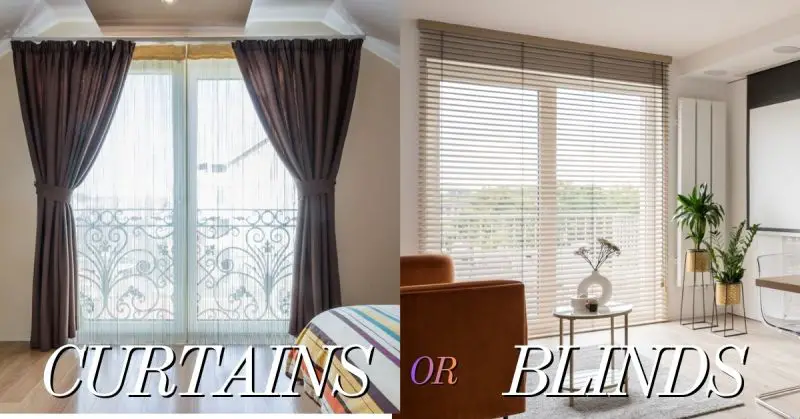
 When you walk into a room, what’s the first thing your eyes notice? The sofa? The lighting? The wall color? In many homes, it’s actually the windows. And what you choose to dress those windows with can dramatically change how a space feels. That’s why so many homeowners and renters ask the same question: what looks better for the window—curtains or blinds?
This isn’t just about style. The right window treatment affects natural light, privacy, insulation, mood, and even your energy bill. According to the U.S. Department of Energy, around 30% of a home’s heating energy is lost through windows. So your decision isn’t only visual—it’s functional. In this detailed guide, you’ll learn exactly what looks better for the window in different situations, lifestyles, and design styles, along with practical tips to make the best choice for your home.

Why Window Treatments Matter More Than You Think
Before comparing curtains and blinds, it helps to understand their impact.
Window coverings influence:
-
Light control
-
Privacy levels
-
Thermal insulation
-
Acoustics
-
Overall interior style
-
Perceived room size
-
Property value
The National Association of Realtors reports that improving interior aesthetics can significantly increase buyer interest and perceived home value. While window treatments alone won’t sell a home, they contribute to the overall impression.
So when asking what looks better for the window, you’re really asking:
What creates the best balance of beauty and function for my space?
Understanding Curtains
Curtains are fabric panels that hang from rods above windows. They come in endless materials, patterns, colors, and lengths.
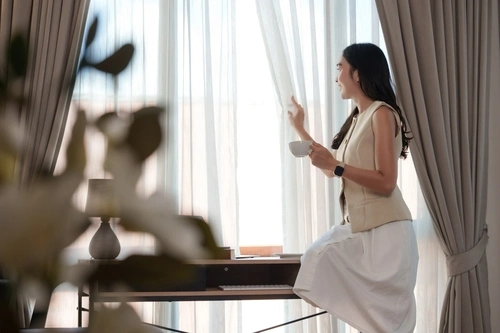
Why Many Designers Say Curtains Look Better for the Window
Curtains often create a softer, more luxurious appearance. Interior designers frequently use them to:
-
Add warmth and texture
-
Make ceilings appear taller
-
Frame windows dramatically
-
Enhance color schemes
The Visual Advantages of Curtains
-
Softness and Movement
Fabric adds texture and flow, which hard window frames lack. -
Height Illusion
When hung close to the ceiling, curtains visually elongate walls. -
Layering Options
Sheer + blackout combinations create depth. -
Statement Piece Potential
Bold patterns can transform a plain room.
In living rooms and bedrooms, many homeowners feel curtains look better for the window because they create a complete, finished appearance.

Functional Benefits of Curtains
Curtains aren’t just decorative.
1. Energy Efficiency
According to the U.S. Department of Energy, medium-colored draperies with white plastic backings can reduce heat gains by up to 33%.
Thermal curtains can:
-
Reduce winter heat loss
-
Block summer solar heat
-
Improve comfort
2. Sound Absorption
Heavy drapes can help dampen outside noise, which is useful in urban homes.
3. Custom Fit
Curtains are easy to tailor to unusual window shapes.
Drawbacks of Curtains
Even if curtains look better for the window in some spaces, they’re not perfect.
-
Collect dust and allergens
-
Require regular washing
-
Can appear bulky in small rooms
-
May block airflow from vents
For minimalist interiors, curtains may feel too heavy.
Understanding Blinds
Blinds are structured window coverings made of slats (wood, faux wood, aluminum, or vinyl) or panels.
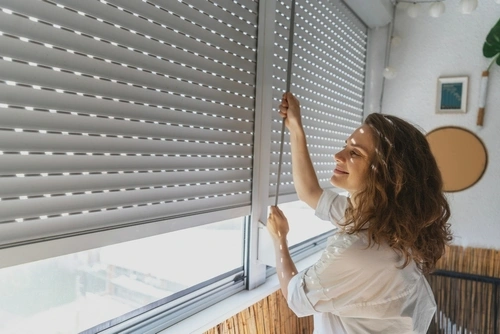
Why Some Homeowners Think Blinds Look Better for the Window
Blinds create a clean, streamlined aesthetic.
They work particularly well in:
-
Modern homes
-
Small apartments
-
Kitchens
-
Bathrooms
-
Offices
Visual Advantages of Blinds
-
Crisp Lines
-
Minimalist Appeal
-
Precise Light Control
-
Less Visual Bulk
In contemporary interiors, many people believe blinds look better for the window because they maintain simplicity.

Functional Benefits of Blinds
1. Light Precision
Blinds allow angled light control. Curtains can only open or close, but blinds can tilt.
2. Moisture Resistance
Vinyl or faux wood blinds are ideal for humid areas like bathrooms.
3. Easy Maintenance
Most blinds only require dusting.
Drawbacks of Blinds
-
Can feel cold or sterile
-
Limited insulation compared to thermal curtains
-
Slats may break
-
Cord safety concerns (important for households with children)
The U.S. Consumer Product Safety Commission warns that corded window coverings pose strangulation risks to children. Cordless options are safer.
Side-by-Side Comparison: What Looks Better for the Window?
| Feature | Curtains | Blinds |
|---|---|---|
| Aesthetic Warmth | High | Moderate to Low |
| Modern Appeal | Moderate | High |
| Light Control | Moderate | High |
| Insulation | High (thermal types) | Moderate |
| Maintenance | Higher | Lower |
| Cost Range | Wide | Wide |
| Best For | Living rooms, bedrooms | Kitchens, offices, bathrooms |
Room-by-Room Guide: What Looks Better for the Window?
1. Living Room
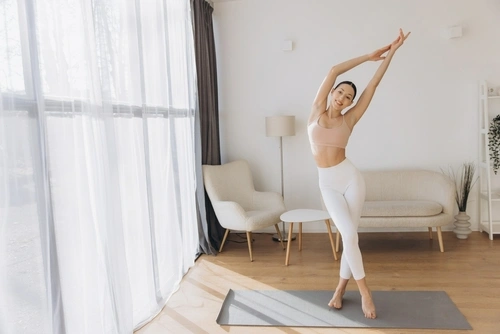
Curtains often look better for the window in living rooms because they:
-
Add elegance: Floor-length drapes or patterned fabrics create a polished, cozy feel.
-
Improve acoustics: Heavy curtains help absorb sound, reducing echoes in open-plan spaces.
-
Frame large windows beautifully: They draw attention to the view while softening the lines of big windows.
Pro tip: Pairing blinds with sheer curtains allows for adjustable light control while keeping a soft, inviting look. For example, use roller blinds for daytime privacy, then draw curtains for evening ambiance.
2. Bedroom
In bedrooms, privacy and darkness are essential. Blackout curtains often look better for the window because they:

-
Improve sleep quality by blocking light completely.
-
Block streetlights and early morning sun, creating a restful environment.
Research from the Sleep Foundation shows that darker rooms promote melatonin production, supporting better sleep. Layering a sheer panel underneath can allow gentle light during the day while maintaining privacy.
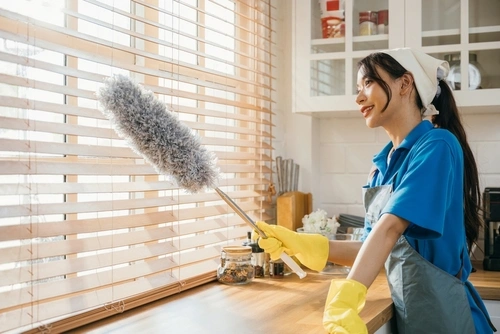
3. Kitchen
Blinds usually look better for the window in kitchens because:
-
They resist moisture from cooking and humidity.
-
They’re easy to clean—a quick wipe-down is often enough.
-
Fabric can absorb odors, so curtains are less practical near cooking areas.
Tip: Consider faux-wood or aluminum blinds for a durable, water-resistant option that complements modern or classic kitchens.
4. Bathroom
Blinds are generally more practical than curtains in bathrooms:

-
Moisture-resistant materials like vinyl or faux wood prevent mildew.
-
Curtains may retain humidity, increasing the risk of mold.
Pro tip: Choose light-colored blinds to reflect natural light, keeping small bathrooms feeling bright and fresh.
5. Home Office
Blinds often look better for workspaces because they:

-
Reduce glare on computer screens, improving productivity.
-
Maintain a professional, uncluttered look that fits both home and client-facing areas.
Tip: Consider adjustable Venetian or vertical blinds for precise light control throughout the day, especially for south-facing windows.
Combining Curtains and Blinds: The Best of Both Worlds
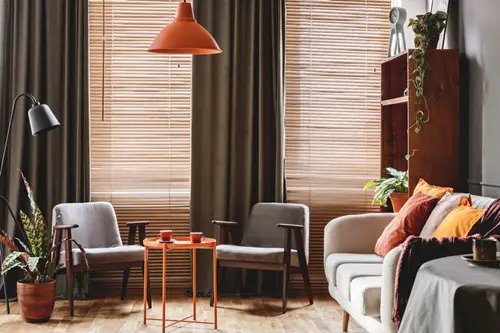
You don’t have to limit yourself to just curtains or blinds. Layering both can provide style, functionality, and flexibility all at once. This approach often gives the answer to what truly looks better for the window—because it combines the strengths of each option.
Benefits of Layering
-
Add Insulation
Pairing blinds with curtains improves thermal efficiency. Blinds provide a barrier to direct sunlight, while heavy curtains trap warm air inside during winter. -
Enhance Design
Layering creates depth and texture, allowing for bold colors, patterns, or luxurious fabrics without sacrificing clean lines. It also lets you mix styles—sleek modern blinds with classic curtains—creating a polished, curated look. -
Increase Light Flexibility
With layered treatments, you can adjust lighting to the hour or activity. For example, blinds can filter harsh sunlight during the day, while curtains block light entirely at night for privacy or sleep.
Example Setup
-
Step 1: Install neutral roller blinds or Venetian blinds to control light and glare.
-
Step 2: Add floor-length curtains in a complementary color or pattern for softness and style.
-
Step 3: Include sheer panels for daytime privacy without blocking natural light completely.
Tip: Match curtain hardware and blind finishes for a cohesive look, and choose lightweight curtains for small rooms to avoid visual bulk.
Layering is especially useful in living rooms, bedrooms, or sunrooms, where you want both aesthetic appeal and functional control over light and temperature. By combining treatments, you essentially get the best of both worlds: the warmth and drama of curtains with the precision and practicality of blinds.

Budget Considerations
Average Cost Estimates (General Ranges)
-
Ready-made curtains: $20–$150 per panel
-
Custom drapery: $250–$1,000+ per window
-
Basic blinds: $30–$150
-
Motorized blinds: $200–$500+
Costs vary based on size, materials, and brand.
Common Mistakes When Choosing Window Treatments
-
Hanging curtains too low
-
Choosing blinds that are too narrow
-
Ignoring insulation needs
-
Forgetting child safety
-
Selecting the wrong fabric weight
Step-by-Step Guide: How to Decide What Looks Better for the Window in Your Home
Step 1: Assess Room Function
Before choosing, think about how the room is used. For relaxation or sleeping, you might want thick, blackout curtains for privacy and light control. In workspaces or kitchens, easy-to-clean blinds that let in adjustable light can be more practical. Matching the window treatment to the room’s function ensures it serves both style and purpose.
Step 2: Measure Carefully
Accurate measurements are essential. Measure the width, height, and depth of the window frame, and decide whether the treatment will mount inside or outside the frame. Mistakes here can make curtains look too short or blinds too small, affecting both appearance and function.
Step 3: Consider Climate
Climate affects both energy efficiency and material choice. In cold regions, insulated curtains or layered window treatments can prevent heat loss. In hot or sunny areas, reflective blinds or lighter fabrics help reduce glare and solar gain, keeping rooms cooler and more comfortable.
Step 4: Match Interior Style
Your home’s design style will guide your choice:
-
Traditional or classic décor → Curtains often look better for the window, adding elegance and softness.
-
Modern or minimalist spaces → Blinds maintain clean lines and simplicity.
-
Transitional or eclectic interiors → Layering curtains and blinds allows for both style and practicality.
Step 5: Think Long-Term Maintenance
Practicality is key:
-
Curtains: May need washing or dry-cleaning depending on fabric.
-
Blinds: Usually only dusting or occasional wipe-down.
-
Child/ pet safety: Cordless blinds or tie-back curtains reduce hazards.
Tip: Consider fabric durability, stain resistance, and how often you’re willing to clean when making your choice.
Seasonal Considerations
Winter: Thermal Curtains
Thicker, insulated curtains trap warm air inside, helping reduce heat loss through windows. This can lower heating bills and make rooms feel cozier. For example, homes in colder climates often see up to 25% savings on heating by using heavy drapes in living areas.
Summer: Reflective Blinds
Blinds with light-reflective surfaces or lighter-colored slats reduce solar heat gain, keeping rooms cooler without relying solely on air conditioning. Venetian or roller blinds with reflective backing work particularly well in sun-facing rooms.
Allergy Season: Easy-to-Clean Blinds
Blinds are generally easier to dust or wipe clean than fabric curtains, which can trap pollen, dust, and pet dander. For allergy sufferers, vinyl, faux-wood, or aluminum blinds provide a healthier and low-maintenance solution while still looking stylish.
FAQs
Are curtains outdated?
Not at all. Curtains remain popular in both traditional and modern interiors. Designers often layer curtains over blinds or shades to combine style, light control, and insulation, keeping them relevant in contemporary homes.
Are blinds cheaper?
It depends. Basic ready-made blinds are often less expensive than custom curtains, but high-end or motorized blinds can cost more than mid-range drapery. Always consider installation costs as well.
Which increases home value?
Window treatments alone rarely increase resale value. However, well-chosen curtains or blinds enhance presentation, improve perceived space, and make homes feel cared for—factors that influence buyers’ first impressions. Layered or high-quality treatments can make a subtle but positive impact.
Final Verdict: What Truly Looks Better for the Window?
The answer depends on:
-
Room purpose
-
Design style
-
Climate
-
Maintenance preference
-
Budget
In cozy, decorative spaces, curtains often look better for the window because they add warmth and elegance. In functional, moisture-prone, or minimalist spaces, blinds may look better for the window due to their clean lines and practicality.
Ultimately, the best choice balances aesthetics and performance. If you want softness and insulation, go with curtains. If you prefer simplicity and precision, choose blinds. If you want both beauty and flexibility, layer them together.
Conclusion
Deciding what looks better for the window—curtains or blinds—is not a one-size-fits-all answer. Each option offers unique advantages in design, energy efficiency, privacy, and maintenance. Curtains deliver softness, warmth, and insulation, making them ideal for living rooms and bedrooms. Blinds provide precision, moisture resistance, and a sleek look, perfect for kitchens, bathrooms, and offices.
The smartest approach is to consider your lifestyle, climate, and design preferences before making a final decision. When chosen thoughtfully, the right window treatment doesn’t just decorate a space—it enhances comfort, improves energy efficiency, and elevates your entire home environment.
Why This Article Was Rewritten
This article was rewritten to inspire and educate homeowners who feel overwhelmed by interior design choices. By providing clear comparisons, practical guidance, and research-backed insights, the goal is to empower readers to make confident, informed decisions about what looks better for the window in their own homes.
Sources
-
U.S. Department of Energy – Energy Efficient Window Coverings
https://www.energy.gov/energysaver/design/windows-doors-and-skylights/energy-efficient-window-coverings -
National Association of Realtors – Research and Statistics
https://www.nar.realtor/research-and-statistics -
U.S. Consumer Product Safety Commission – Window Covering Safety
https://www.cpsc.gov/Safety-Education/Safety-Education-Centers/Window-Covering -
Sleep Foundation – Light and Sleep
https://www.sleepfoundation.org/bedroom-environment/light-and-sleep