Owning a piece of Tiffany & Co. jewelry represents elegance, tradition, and craftsmanship that few other brands can match. Through more than 180 years of history, Tiffany’s signature blue packaging, iconic designs, and use of high-quality materials have made its pieces desired around the world. Because of that desirability, Tiffany jewelry is also one of the most counterfeited in the world. Whether browsing online marketplaces, browsing vintage stores, or receiving a second‑hand gift, knowing how to discern authentic pieces from fakes is essential. Understanding key details helps protect your investment and ensures confidence when wearing or gifting these special items.
This comprehensive guide explains how to spot authentic Tiffany & Co. jewelry. It covers hallmark checks, craftsmanship cues, material quality tests, packaging clues, common red flags, and trusted purchase sources. By the end, you will have a clear framework for evaluating Tiffany pieces with confidence.
Why Authenticity Matters
Tiffany & Co. has built a reputation for producing jewelry that blends design excellence with lasting value. An authentic Tiffany piece is likely crafted from precious metals like sterling silver, 14k or 18k gold, or platinum and often set with diamonds or gemstones of certified quality. Many pieces appreciate over time, especially limited editions or vintage designs, making authenticity critical for resale value or heirloom status.
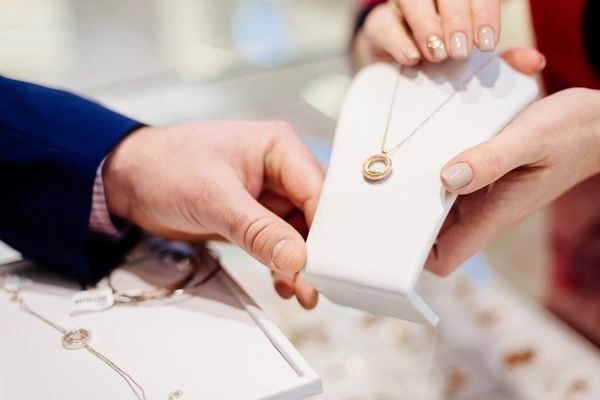
Counterfeit jewelry may mimic the overall look of high-end designs, but it often uses inferior metals and materials that discolor, break, or tarnish quickly. Craftsmanship is usually weaker, cuts and settings are sloppy, and markings can be inconsistent or entirely incorrect. Buying a fake carries both financial loss and a diminished wearer experience. Learning to spot real Tiffany jewelry helps protect personal style, social confidence, and financial value.
Understanding Tiffany Hallmarks And Stamps
One of the clearest ways to authenticate Tiffany jewelry is through hallmark and stamp examination. Genuine Tiffany pieces always include specific engravings that indicate brand name, metal purity, and sometimes designer or collection identifiers.
1. Brand Name And Logo
Authentic Tiffany jewelry always includes the brand name Tiffany & Co. The presence of the ampersand is a key detail. Counterfeit pieces often omit the ampersand, replace it with incorrect text, or use spacing and fonts that do not match the official Tiffany style. Original Tiffany engravings are deeply and cleanly marked, appearing either laser‑etched or precisely stamped, not shallow or blurry. Look for consistent, clear lettering and even spacing between characters.
2. Purity And Metal Content Marks
Fine jewelry pieces are required to indicate the purity of the metal used. For sterling silver, Tiffany uses marks like 925 or the word Sterling to denote 92.5% silver content. For gold, Tiffany pieces may display 585 for 14k gold or 750 for 18k gold. Platinum pieces often carry stamps such as PLAT or 950. These labels correspond with international standards for precious metal purity. The absence of correct purity stamps or inconsistent numbers is a strong indication that a piece may not be genuine.
3. Designer Signals And Collection Signatures
Certain Tiffany collections include additional designer marks. For example, pieces from the Elsa Peretti or Paloma Picasso lines often include designer initials or unique styling signatures alongside the Tiffany hallmark. These additional engravings must be examined carefully for clarity and alignment. Any misspellings or uneven characters are red flags.
4. Serial Numbers And Gemstone Certificates
Many modern Tiffany pieces, especially those with high-value gemstones such as diamonds, sapphires, or colored stones, include certification or documentation. Tiffany issues gem certificates that describe stone characteristics like cut, clarity, carat weight, and origin. Counterfeit sellers may provide paper certificates, but reputable labs and Tiffany’s own documentation follow strict formatting and content standards. If a piece is marketed with generic or third‑party certificates of unknown origin, that is a major caution point.
Evaluating Craftsmanship And Build Quality
Tiffany jewelry is known for its refined craftsmanship. Examining the quality of construction helps reveal whether a piece is authentic.
5. Smooth And Seamless Finishing

Authentic Tiffany pieces display expert finishing. Surfaces are smooth to the touch, edges are rounded, and there are no visible flaws or rough spots. Poor finishing, rough edges, or inconsistent surface texture are common in counterfeit pieces. The polish on genuine pieces should look even and professional from every angle.
6. Chain Quality And Soldering
Chain bracelets, necklaces, and link styles are often used in Tiffany designs. Real Tiffany chains use seamless, soldered links that are strong and continuous. When lightly stretched or moved, the chain should feel smooth and fluid. Fake chains often show visible gaps between links, uneven soldering, or weak joints. Real links are soldered in a way that no gaps or joining marks are visible to the naked eye.
7. Gemstone Setting And Security
Tiffany’s gemstone settings are crafted with precision to maximize brilliance and ensure security. Whether diamonds or colored stones, each is placed with symmetrical spacing, even prongs, and no visible glue or uneven metal work around the setting. If gemstones appear loose, crooked, or have visible residue, the piece is likely not genuine.
Weight And Material Quality Tests
Material feel and weight provide important clues to authenticity. High-quality metals and craftsmanship result in a piece that feels solid.
8. Assess Weight And Density
Solid sterling silver, gold, or platinum pieces have a certain weight and density that counterfeit alloys cannot replicate. A genuine Tiffany item typically feels heavier than it looks. If a piece feels unusually lightweight or hollow, it may be made from inferior metals or plating. For example, a hollow-plated bracelet will feel much lighter than a full silver H bracelet from Tiffany.
9. Observe Color Consistency
Authentic precious metals maintain uniform color throughout. Sterling silver will have a consistent silver sheen that may darken to a natural patina over time, but it will not reveal a different base metal underneath. Counterfeit pieces often show underlying brassy or copper tones beneath thin plating, especially at edges or scratch points. Authentic metals do not flake or peel away, nor do they exhibit strange discoloration.
10. Try A Magnetic Test
Silver and gold are not magnetic. If a magnet is attracted to a supposedly precious metal piece, it may contain magnetic base metals often found in fakes. However, use caution: some clasps or springs may show a slight magnetic pull even on real pieces, so this test is supportive but not definitive on its own.
Inspect Engraving Font And Alignment
Engravings on genuine Tiffany jewelry reveal craftsmanship intent.
11. Crisp And Aligned Engravings
Tiffany & Co. uses a consistent and precise font in all engravings. Letters and numbers align perfectly. Counterfeit engravings often have uneven depth, irregular spacing, or poor alignment that appear rushed or poorly executed. These mistakes become more obvious under magnification but can sometimes be detected with a careful eye.
12. Signature And Collection Detail Checks
Certain Tiffany collections use identifiable patterns and spacing. Authentic “PLEASE RETURN TO Tiffany & Co.” engravings feature exact spacing and correct fonts, while counterfeits often distort words, misplace punctuation, or use incorrect fonts.
Packaging And Documentation
Authentic Tiffany jewelry almost always comes in distinctive packaging with specific branding cues.
13. Tiffany Blue Box And Accessories
.jpg)
Original Tiffany items arrive in the iconic Tiffany Blue box, a specific shade registered by the brand. The box is sturdy, lined interior‑side, and often paired with a white satin ribbon. Inside the box is also usually a velvet or suede pouch for the jewelry itself. Counterfeits often use cheaper materials, off‑shade colors, flimsy boxes, or incorrect satin textures. Comparing packaging details against official Tiffany imagery can help identify inconsistencies.
14. Certificates And Appraisal Papers
High-value pieces, particularly those with gemstones, should include certificates or appraisal documentation from Tiffany or reputable gemological labs. These documents follow specific formatting and detail standardized grading information. Generic or unclear documentation is a red flag. Many counterfeit sellers try to boost credibility with unrelated or poorly produced certificates that do not match Tiffany’s style or accuracy standards.
Where To Buy Authentic Tiffany & Co. Jewelry
To ensure authenticity, buy from trusted and authorized sources. Tiffany & Co. boutiques and the official Tiffany website are the safest places to shop. Authorized department store Tiffany counters also provide verification and return options.
When considering second‑hand pieces, use reputable resale platforms that offer authentication services. Many luxury resale marketplaces include independent expert verification and return guarantees. Avoid listings without clear images, detailed descriptions, or trustworthy sellers; if it seems too good to be true, it probably is.
Common Mistakes And Red Flags
When evaluating Tiffany jewelry, certain warning signs stand out:
Unverified Sellers
Unknown sellers with no authentication guarantee are high risk. A lack of a clear return policy, poor communication, or missing product details often signal unreliable listings.
Poor Quality Links And Clasps
Chains with visible gaps, poorly finished links, or clasps that feel flimsy are common in fakes. Genuine Tiffany clasps operate smoothly and feel sturdy due to high-quality metal and precise construction.
Font Errors And Spelling Mistakes
Counterfeit pieces often contain mistakes in font style, letter spacing, or spelling. This is one of the clearest warning signs. Even small deviations from standard Tiffany fonts should raise concern.
Discoloration And Plating Issues
.jpg)
Real Tiffany metal does not flake or peel. If plating lifts, reveals different metals underneath, or shows unusual color shifts, the piece is likely not genuine. This is especially common in silver-plated fakes.
Examples Of Authentic Tiffany Pieces And What To Look For
Examining specific iconic designs gives insight into what genuine Tiffany craftsmanship looks like:
Tiffany T Collection
The Tiffany T Collection is characterized by bold T‑shaped motifs, often in solid gold or silver. Authentic pieces have perfectly level edges, uniform metal thickness, and deeply engraved logos on inner surfaces. Counterfeit versions frequently show uneven thickness or off‑center engravings.
Return To Tiffany Collection
This iconic line typically showcases heart-shaped tags or round pendants engraved with “PLEASE RETURN TO Tiffany & Co.” On genuine pieces, spacing between letters is even, the ampersand is present, and letter depth is consistent. Fake versions commonly compress words or misalign letters.
Diamond Studs And Tennis Bracelets
Authentic diamond studs and tennis bracelets come with certificates verifying cut, clarity, carat, and color grade. Settings are secure and symmetrical. Poorly set stones, uneven prongs, or unsymmetrical arrangements indicate inferior replicas.
Identify Genuine Tiffany Pieces Like a Pro
Spotting authentic Tiffany & Co. jewelry requires careful evaluation of hallmarks, craftsmanship, metal quality, engraving precision, packaging, and documentation. Genuine pieces reflect a legacy of meticulous design and industry-validated markings. Counterfeit versions often fall short in subtle yet telling ways. Equipped with these expert guidelines and detailed examples, anyone can confidently evaluate Tiffany jewelry for authenticity, protect their investment, and enjoy these iconic accessories with certainty and style.