Bold colors have made a significant comeback in fashion, dominating runway shows, street style, and celebrity wardrobes in 2025 and 2026. From vibrant cerulean blue suits worn by fashion icons to dopamine‑boosting denim energizing casual wear, vivid hues are everywhere. While bold tones can instantly elevate any outfit, wearing them confidently without overwhelming the look takes a bit of strategy and creative insight. This guide outlines the best ways to incorporate bright colors into your wardrobe with elegance, balance, and intent.
Whether you are a fashion enthusiast looking to update your style or someone building confidence with color for the first time, the right approach helps make bold colors an asset rather than an overload.
Why Bold Colors Matter in Fashion
Bold colors make a statement beyond fleeting fashion. They add personality, mood, and energy to an outfit while reflecting current fashion movements. Vibrant hues like chartreuse green, candy pink, and icy blue have been spotted on global runways, signaling a shift toward expressive and unapologetic dressing. Designers, including Versace, Balenciaga, and Prada, have showcased collections that emphasize bold color palettes, proving that vivid tones are central to modern fashion storytelling.
Bold colors can convey confidence and individuality. They help outfits become memorable and can elevate even the simplest silhouettes. However, bright hues can also intimidate many people. Wearing too many intense colors at once or combining hues randomly can result in looks that feel chaotic or overwhelming. Learning practical styling techniques for bold colors helps create outfits that feel intentional rather than accidental.
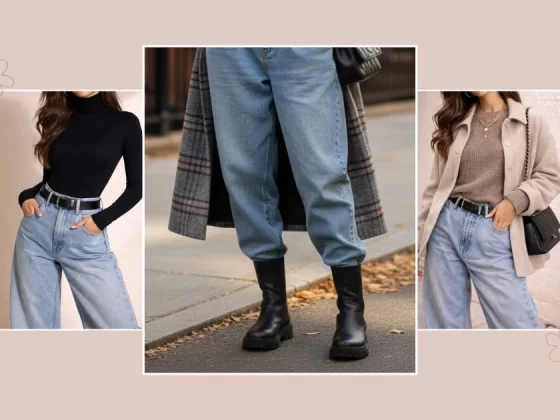
One of the easiest ways to make bold colors work is to start with a neutral base. Neutrals like black, white, beige, gray, and navy act as anchors that ground bright hues without diminishing their impact. Neutrals offer contrast and make bold tones appear more sophisticated.
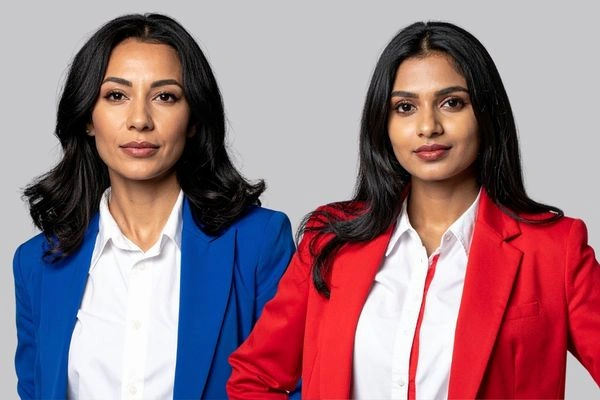
Pairing a vibrant cobalt blazer with tailored black trousers creates a confident, polished look. Similarly, a bold red top paired with crisp white jeans results in a balanced outfit where the color stands out without overpowering the entire ensemble.
Neutrals provide a peaceful backdrop that keeps appearances refined while enhancing the color’s vibrancy. This balance is especially useful in professional or conservative environments where subtlety is essential. Blending one vivid hue with classic neutrals boosts visual interest while maintaining overall harmony.
2. Master Color Blocking for Creative Impact
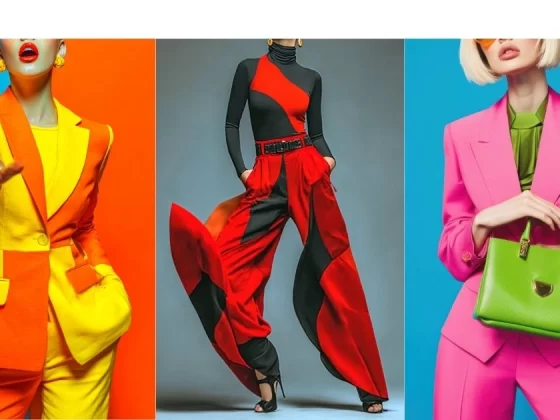
Color blocking is a trend that allows two or more bold colors to coexist in a single outfit without feeling chaotic. The trick lies in picking colors that work well together rather than clash. Basic color theory suggests pairing opposite colors like blue and orange, or using analogous shades like red and orange for a vibrant effect.
Successful color blocking often relies on simple silhouettes to avoid visual clutter. For example, a cobalt blue top paired with mustard yellow trousers feels energetic yet cohesive. Layered pops of color can work when kept organized, such as pairing a bold blazer with a contrasting bold shoe and a neutral bottom.
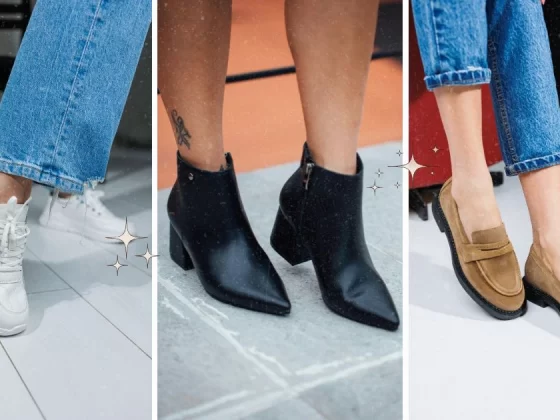
Accessorize with neutral shoes or bags to ground the ensemble and let the bold blocks stand out. This method helps create eye‑catching outfits that feel intentional and coordinated, adding a fashion‑forward edge without feeling overwhelming.
3. Start Small With Color Accents
Not everyone is ready to dive into bold outfits head to toe. That is where bold accents come in. Accessories like handbags, scarves, shoes, belts, watches, sunglasses, and even jewelry provide excellent opportunities to introduce vibrant colors without committing to a full outfit.
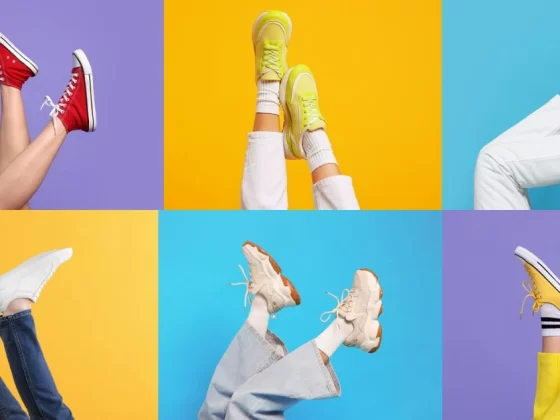
For instance, a bold red handbag from brands like Coach or Gucci can breathe new life into a neutral outfit. Teal loafers or bright sneakers from Nike, New Balance, or Adidas add character when paired with classic denim and white tees.
Smaller pops of color allow experimentation and gradual confidence-building. Accessories with interesting textures or patterns also enhance depth and visual appeal without overwhelming the look. Think of bold color as punctuation in an outfit: a well‑placed accent can make a statement while leaving the rest of the outfit grounded.
4. Explore Monochromatic Bold Looks
A monochromatic outfit uses varying shades of the same bold color to create an elegant and cohesive look. This technique works exceptionally well with jewel tones. For example, sapphire blue, emerald green, and ruby red, which deliver rich color without feeling overdone.
Monochrome outfits can elongate the silhouette and present a polished, intentional style. For example, combining a violet blouse with lavender pants and deeper purple shoes makes a bold and sophisticated statement. Adding accessories in similar hues enhances continuity without introducing chaos.
Textured fabrics like velvet, silk, or wool further enhance depth and visual interest within the same color family. Brands like COS and Toteme often feature tonal dressing in their collections, showing how texture and shade variation can make a bold color approach feel luxurious and refined.
5. Use Prints to Soften Boldness
Solid bold pieces can feel intense, especially for beginners. Prints and patterns offer a softer introduction. Floral prints, geometric designs, and multi‑colored pieces blend bold hues with more approachable visuals, making vibrant colors easier to wear.
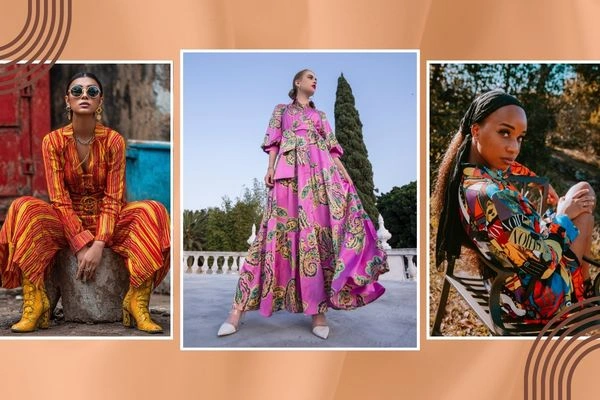
Patterns that include bold colors mixed with neutrals allow outfits to retain vibrancy while feeling playful and less intimidating. For example, a floral blouse with bright pink and orange tones can balance a bold palette against simpler bottoms. Geometric stripes or abstract prints from brands like Diane von Furstenberg or Tory Burch provide vibrant statements without overwhelming.
Mixing bold prints with complementary solids ensures the outfit remains balanced rather than overly busy. Leave space for the eye to rest, and use prints as a bridge between neutral pieces and bold color.
6. Understanding Color Psychology Can Help You Style With Intention
Colors convey emotion and meaning in fashion. Red suggests power and passion, yellow feels joyful and optimistic, blue conveys trust and calmness, and green often symbolizes freshness and balance. Knowing what a color communicates can help you choose hues that match your mood or the impression you want to make.
For example, wearing a bold red blazer during presentations can convey authority and confidence, while a sunny yellow dress evokes warmth and energy at social events. Blues and greens are often calming choices that still feel expressive without being loud.
Choosing a bold shade that resonates with personal style and intent makes a statement feel more natural and effortless. Color psychology helps articulate why certain hues elevate mood, create visual harmony, or subtly influence first impressions.
7. Choose the Right Fabrics and Textures
The way a color appears can be influenced by the fabric and texture it is on. Lustrous fabrics like satin, silk, and velvet intensify color depth and create a rich, luxurious look. For example, an emerald green velvet blazer feels regal and eye‑catching without overwhelming the rest of the outfit.
On the other hand, mixing textures like denim or leather with bold hues can soften the boldness and add a modern edge to a look. Smooth, matte fabrics often display bold colors in a more wearable way, suitable for everyday outfits.
Choosing fabrics that flatter both the color and the silhouette ensures the overall look remains visually appealing. Seasonal choices like wool in bold burgundy or chunky knits in bright orange bring texture and warmth, making vivid color feel grounded and stylish.
8. Highlight Bold Outerwear
Outerwear provides a striking canvas for bold colors, especially in colder months when wardrobes tend to be more muted. A bright trench coat, a vivid puffer jacket, or a bold wool overcoat can instantly energize any outfit beneath it.
Layering bold outerwear over simpler basics allows you to experiment with color at a comfortable pace. This works well for casual city walks, creative work environments, or social outings where standout style is welcome.
Pair bold jackets with neutral trousers, denim, or even subdued prints to maintain balance and avoid visual overload. Bold outerwear from brands like Max Mara, Moncler, or The North Face provides fashion‑forward choices that make bold color approachable and refined.
9. Pay Attention to Occasion and Setting
Bold colors are exciting, but not every situation calls for a super vibrant look. Dressing for the right occasion helps you wear color appropriately. For example, a bright blazer or electric blue suit exudes confidence at fashion‑forward events. At the same time, toned‑down accents like colored accessories are more suitable for professional meetings or formal settings.
Understanding dress codes and the environment helps keep bold outfits stylish rather than out of place. In conservative or formal settings, consider bold colors in accessories or subtle details like a pocket square or watch strap. In casual or creative settings, feel free to embrace more vivid or playful combinations.
Looking at the context of where you are going and the expectations of the space makes bold choices feel intentional and appropriate rather than misplaced.
10. Avoid Mixing Too Many Bold Pieces
One common styling mistake is combining too many bold items at once. While it may feel fearless, it can also look jumbled or overwhelming. Limiting bold pieces to one or two areas of your outfit ensures your look feels deliberate.
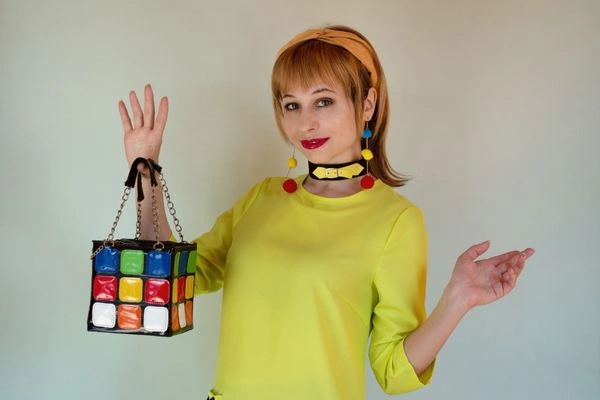
If you choose a standout top, balance it with neutral bottoms and minimal accessories. If bold pants or a vibrant skirt are your focal point, keep the rest of the outfit grounded with subtle colors. Focus on harmony rather than high‑impact overload.
Interview tips from stylists often emphasize that restraint in pairing bold pieces leads to more polished, elevated outfits.
11. Incorporate Seasonal and Trend Influences
Bold color trends shift with seasons and fashion cycles. For spring and summer 2026, hues like cerulean blue, rich teal, and electric coral are gaining traction, appearing in statement suits, blazers, dresses, and accessories. These vibrant shades bring fresh energy to seasonal wardrobes.
In autumn and winter, jewel tones like oxblood red, royal purple, and deep mustard deliver richness and warmth. Paying attention to trend forecasts, such as color trend reports from Pantone or WGSN, helps you wear bold colors in ways that feel current and stylish.
Seasonal trends ensure outfits remain compelling and well‑timed, whether through standout pieces or subtle accessories that speak to the moment.
Mastering Bold Colors With Confidence
Wearing bold colors confidently means striking the right balance. Whether you start with accessories, explore color blocking, embrace monochrome looks, or anchor vibrant pieces with neutrals, there are many ways to make bold hues work for a wide range of personal styles.
The goal is to express personality and creativity while maintaining visual harmony. Experiment with combinations, textures, and proportions to discover what best complements your aesthetic and lifestyle.
Bold colors enhance your wardrobe, elevate your style, and convey moods ranging from joyful and energetic to elegant and poised. With thoughtful styling and the right approach, bold hues become wardrobe assets rather than fashion risks.