LED light therapy has shifted from spa-exclusive treatments to devices that fit on a bathroom shelf. At-home LED light therapy devices have exploded in popularity because they promise a range of benefits from clearer skin to pain relief and muscle recovery. With new research, evolving technology, and dozens of products now available, choosing the right one can be overwhelming. This article breaks down the latest insights, reviews, and product recommendations to help you decide which LED light therapy device works best for your goals.
What Is LED Light Therapy?
LED stands for light-emitting diode. In LED therapy, specific wavelengths of light are used to interact with cells in the body or skin layers. Different wavelengths penetrate to different depths and are believed to trigger various biological responses. Most at-home devices use red, blue, or near-infrared light for cosmetic and therapeutic effects. Red light is often chosen for anti-aging concerns, near-infrared for deeper tissue support and recovery, and blue light for addressing acne-causing bacteria.
Because LED is non‑invasive and does not heat the skin to harmful temperatures, it is generally safe for home use when instructions are followed. However, not every device delivers the same results. Many variables influence effectiveness, such as wavelength accuracy, light intensity, treatment coverage, and consistency of use.
Latest Trends In LED Light Therapy
In 2026, it has seen new developments in LED therapy technology and broader acceptance of at‑home devices among beauty and wellness editors. Editors have praised models that combine multiple wavelengths in one device and deliver clinical-grade performance in user‑friendly formats.
Clinical and editorial reviews often highlight that devices using red, blue, and near‑infrared light together can address more concerns. Research continues to evolve, and many dermatologists acknowledge the potential benefits of LED therapy when used consistently. However, some professionals still caution that clinical evidence varies by device and that more long‑term studies are needed.
How LED Light Works On Skin
Different wavelengths serve different functions:
- Red Light (around 630nm): Improves collagen production, enhances elasticity, and reduces visible pores and fine lines.
- Blue Light (around 415nm): Targets bacteria on the skin surface, making it useful for acne‑prone skin.
- Near‑Infrared Light (around 830nm and beyond): Penetrates more deeply to support circulation, calm inflammation, and promote cellular repair.
Understanding these key points can assist in choosing a device that matches your goals. For example, red and near‑infrared are usually recommended for anti‑aging, while blue light is more effective for breakouts.
Types Of LED Light Therapy Devices
At‑home LED devices fall into several key categories:
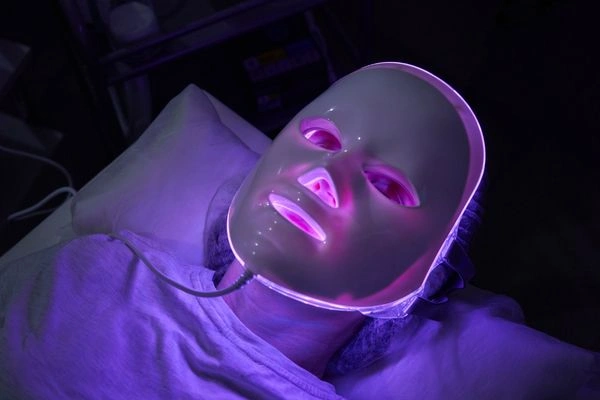
LED Face Masks
Face masks are the most popular format. They wrap around the face, delivering even LED coverage. Masks come in a range of prices and LED counts, with more LEDs and wavelengths generally offering broader benefits.
Some top masks include multi‑mode designs and additional features like vibration therapy or integrated timers. A consistent user experience with full face coverage can make at‑home light therapy easier to use regularly.
Handheld Devices
Handheld wands or smaller panels target specific areas. They tend to be more affordable and portable than masks, but may require more time to treat a full face or body. Handhelds can complement a skincare routine or be used on spots rather than full‑face sessions.
Panel Devices
Panels are larger light sources that can target wider areas of the body. These types of devices are often preferred by athletes or for deeper muscle recovery and inflammation support, although they may be less convenient for face‑only skincare routines.
Specialized Wearables
Some newer formats take a wearable approach beyond the face, such as light therapy caps or hats designed to improve scalp circulation and may support hair health. These less traditional designs are gaining traction based on user reports.
Top LED Light Therapy Devices
Here are standout devices from the latest round of reviews and expert roundups, covering a range of needs and budgets.
1. Orion Edge 2 – Precision Red and Near‑Infrared Therapy
The Orion Edge 2 combines red and near‑infrared wavelengths in a sleek, ergonomic design that is easy to use at home. It targets both surface-level skin concerns, such as fine lines and wrinkles, and deeper tissue issues like circulation and inflammation. Its high power output ensures consistent coverage and effective treatment, making it suitable for daily or multiple weekly sessions. Users report improved skin texture, increased firmness, and a visible glow with regular use. This device is ideal for those seeking a versatile, long-term addition to their skincare and wellness routine.
2. LightStim for Wrinkles Peony – Ideal For Wrinkle Reduction
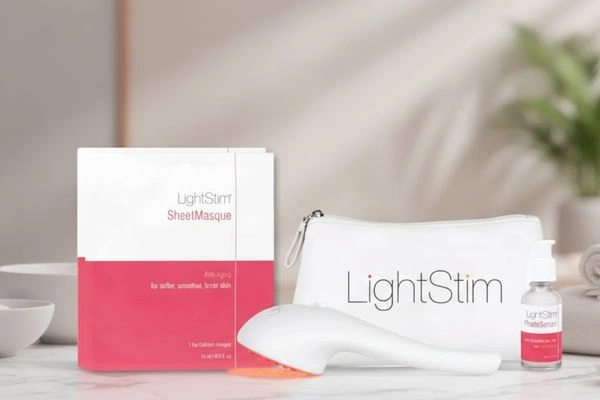
LightStim for Wrinkles Peony is an affordable and compact device designed to reduce fine lines and wrinkles through targeted red LED therapy. Its lightweight design allows for comfortable daily facial use, even during busy routines. Clinical and user reviews consistently highlight smoother skin, reduced visible wrinkles, and improved overall texture with ongoing use. The device is gentle enough for sensitive skin while powerful enough to deliver noticeable results over several weeks. It is particularly recommended for those looking to start an anti-aging routine without a large upfront investment.
3. 7 Color LED Light Therapy Device – Multi‑Wavelength Versatility
The 7 Color LED Light Therapy Device offers seven different color settings, each designed to address specific skin concerns like acne, anti-aging, and hyperpigmentation. This versatility allows users to customize treatments based on individual needs and desired outcomes. Each wavelength penetrates at different levels to stimulate cellular repair, improve circulation, and enhance skin tone. Regular use can help achieve smoother, brighter, and healthier-looking skin. It is ideal for skincare enthusiasts who want a single device to address multiple concerns at home.
4. CLEOLIPS – Premium Skincare And Rejuvenation
CLEOLIPS is a high-end LED therapy device that delivers advanced technology typically found in professional spa settings. It targets multiple layers of the skin, stimulating collagen production, smoothing fine lines, and enhancing skin elasticity. The device is particularly suitable for skincare enthusiasts who want salon-quality results in the comfort of their home. Its user-friendly interface and precise wavelength controls allow for tailored sessions depending on the user’s skin concerns. Regular treatments can lead to firmer, brighter, and more rejuvenated skin over time.
5. NECOLLAGE PRO – Professional‑Level LED Therapy
NECOLLAGE PRO is designed for those who want professional-grade LED therapy at home. With intense power output and advanced wavelength delivery, it targets deep tissue repair and comprehensive skin rejuvenation. This device is well-suited for experienced users who prioritize anti-aging results and long-term skin health. Regular use can help reduce wrinkles, improve elasticity, and enhance skin tone and radiance. Its robust design and clinical-level features make it a long-term investment for serious skincare enthusiasts.
6. Novaa Recovery Pod – Best For Deep Tissue And Recovery
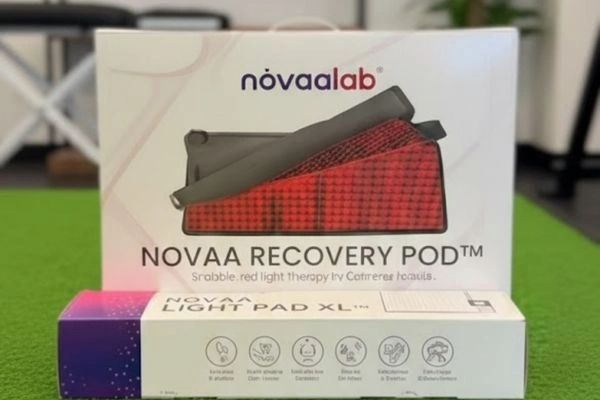
The Novaa Recovery Pod focuses on near-infrared light to promote deep tissue recovery, circulation, and inflammation reduction. While it is not specifically designed for facial treatments, its full-body coverage makes it ideal for athletes or those with active lifestyles seeking both wellness and recovery benefits. Users report reduced muscle soreness, faster recovery times, and improved overall energy levels with consistent sessions. The pod’s ergonomic design allows comfortable positioning for extended treatment times. It is recommended for anyone looking to combine skin and overall body wellness in one device.
What Experts Are Saying
Recent editorial evaluations by beauty outlets and skincare reviewers stress that not all light therapy devices are created equal. Early this year, beauty editors highlighted several high‑end LED masks like the CryoGlow LED Face Mask by Shark, DRx SpectraLite FaceWare Pro by Dr. Dennis Gross, and TheraFace Mask Glo as standout performers for smoother, firmer, and clearer skin.
Clinical trials for some masks show measurable improvements in skin tone, texture, and firmness after consistent use. For example, one newer Therabody mask recorded improvements in radiance, texture, and firmness over 12 weeks.
Dermatologists acknowledge that wavelengths in the ideal range can stimulate collagen production and calm inflammation, but also emphasize patient expectations and the need for regular use. LED therapy is not an immediate solution, but a supplement to broader skincare routines.
How To Choose The Right Device
Choosing the best LED light therapy device depends on individual goals and priorities. Consider the following:
Identify Your Goals
- For anti‑aging and collagen support, prioritize red and near‑infrared LED devices with proven wavelengths.
- For acne or blemish control, devices with blue light are more appropriate.
- For muscle recovery or deeper circulation support, look for higher power panels or near‑infrared devices.
Check Wavelengths and Intensity
Wavelengths matter. Red light in the 630nm range and near‑infrared around 830nm to 880nm are frequently cited as effective for skin and tissue responses. Higher power output can enhance results, but safety and guidelines from manufacturers should always be followed.
Look For Safety Clearances
FDA clearance or equivalent medical device validation gives added confidence in performance and safety. Many top brands pursue these clearances.
Consistency Is Key
Most experts and reviewers emphasize consistent sessions over weeks and months rather than expecting dramatic results after a few uses. Regular use amplifies cell response and helps achieve noticeable improvements.
Balance Budget And Features
From premium devices with multiple wavelengths and high LED counts to budget‑friendly options that cover basics, your budget will influence your choice. Premium devices often offer broader benefits, while budget models can still deliver meaningful improvements if expectations are realistic.
Real User Experiences And Community Views
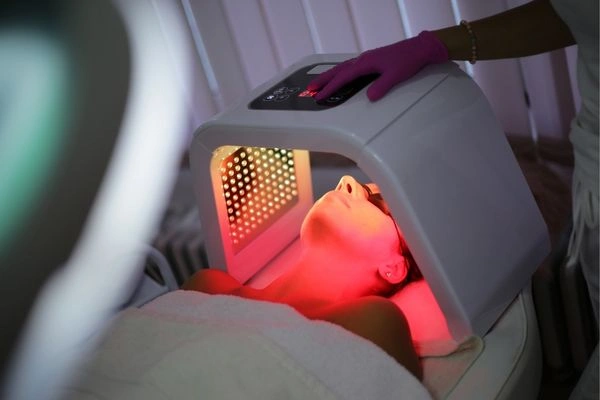
Online user communities reveal a mix of experiences. Some users report clearer skin, reduced redness, and an overall glow after months of consistent use, especially when pairing LED therapy with good skincare habits like moisturizers and sunscreen.
Other users are more skeptical, suggesting that results can be subtle or absent, particularly with lower-quality devices. Some discussions emphasize the importance of wavelength accuracy and light intensity, warning that poorly designed devices may underperform.
Safety And Best Practices
LED light therapy is suitable for a wide range of skin types when used according to instructions. Eye protection is recommended where intense light is directed near the eyes. Always follow manufacturer guidelines regarding session length and frequency.
Combine LED use with a solid skincare routine, including cleansing, hydration, and sun protection, for the best outcomes. LED therapy supports recovery and cellular health but does not replace sunscreen or clinically proven topical ingredients.
Choosing The Right LED Light Therapy Device
LED light therapy devices have matured from niche tech into mainstream skincare and wellness tools. With advances in wavelength delivery, higher LED counts, and solid editorial reviews, excellent devices are available for many budgets and goals. By understanding your needs, checking for credible performance specs, and committing to consistent use, you can find an LED therapy device that delivers meaningful results. Whether you are seeking smoother skin, a clearer complexion, or deeper tissue support, there is likely a device that matches your goals.