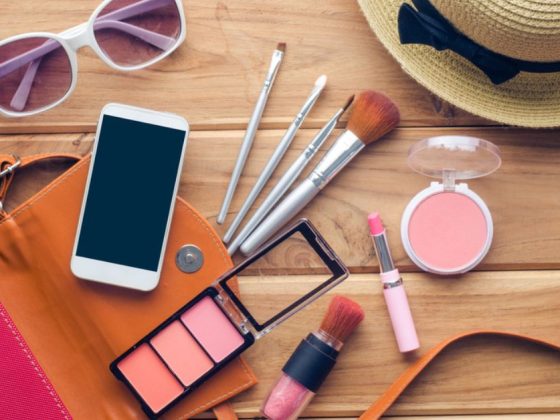
 Traveling should be an adventure in joy and discovery, not a battle against dry, tight, or flaky skin. The very act of traveling — from long flights to sudden climate changes — places your skin under stress it rarely experiences at home. That’s why understanding how to keep your skin moisturized when you travel abroad is one of the most valuable skills you can have as a frequent traveler or occasional vacationer.
Whether you’re jetting off to snow-capped mountains, humid tropics, or somewhere in between, this comprehensive guide breaks everything down: from pre-travel preparation and inflight strategies to destination-specific skincare routines. You’ll walk away with practical, expert-informed steps to keep your skin supple, comfortable, and glowing — no matter the environment.
Why Travel Dries Out Your Skin
Your skin’s ability to stay hydrated depends heavily on its barrier function — the outermost layer of skin that acts like a protective seal. This barrier helps lock in moisture while keeping irritants and pollutants out. When this layer becomes compromised, water escapes more easily, leading to dryness, tightness, flaking, and sensitivity. Travel exposes your skin to multiple stressors at once, making it much harder to keep your skin moisturized when you travel abroad.

Low Humidity Environments
Airplane cabins are one of the driest environments your skin will ever experience. Humidity levels during flights often fall between 10–20%, while healthy skin typically feels most comfortable in environments between 40–70% humidity. This dry air increases something called transepidermal water loss (TEWL) — the process where water evaporates from your skin into the surrounding air. The lower the humidity, the faster this happens. As a result, your skin can start to feel tight, dull, or itchy, even during a single long-haul flight.
Climate Extremes
Travel often means moving between drastically different climates within hours. For example, you might leave a cold, dry winter environment and arrive in a hot, humid tropical destination. Your skin’s oil production, sweat levels, and hydration balance all have to adjust quickly. This rapid shift can overwhelm the skin’s natural regulatory systems, temporarily weakening its barrier and making it harder to retain moisture. Even indoor environments, such as heated hotel rooms in winter or strong air conditioning in summer, can further dry out the skin.
Sun Exposure and UV Stress
Many travelers underestimate how much sun exposure they get while traveling. UV rays can penetrate airplane windows at high altitudes and are often stronger in destinations closer to the equator or at higher elevations. UV radiation increases oxidative stress in the skin, damaging cells and weakening the moisture barrier. Sun exposure also accelerates water loss from the skin’s surface, making it more difficult to stay hydrated even if you’re using moisturizer.
Routine Disruption
Travel rarely follows your normal daily rhythm. Early flights, jet lag, long sightseeing days, and late nights can all interfere with sleep, hydration, and skincare habits. When you’re tired, you may forget to moisturize, drink less water than usual, or skip parts of your routine. Sleep deprivation and dehydration both affect circulation and skin repair processes, making it harder for your skin to recover and maintain healthy moisture levels.
When you combine dry cabin air, changing climates, increased sun exposure, and disrupted routines, your skin can lose water faster than your body can replace it. That’s why travelers so often notice dullness, flaking, or sensitivity by the time they reach their destination. Understanding these triggers is the first step to protect your barrier and keep your skin moisturized when you travel abroad.
Pre-Travel Preparation: Set the Foundation
If you want your skin to stay hydrated during travel, you must prepare before you even pack your suitcase.
1. Start Hydrating Early
Hydration is more than skin-deep — it starts from the inside out. Even before travel day:
-
Drink plenty of water for 48–72 hours before departure.
-
Include electrolyte beverages to help your body retain water more effectively.
Tip: Electrolytes like sodium, potassium, and magnesium help your cells hold onto water, which supports your skin’s hydration layer longer.
2. Strengthen the Skin Barrier
Your skin has natural defenses that help retain moisture. Boost them before travel by:
-
Incorporating a gentle cleanser, so you don’t strip the skin of its natural oils.
-
Using products with ingredients like hyaluronic acid, glycerin, ceramides, and niacinamide, which draw water into skin and seal it in.
These ingredients improve your skin’s ability to hold onto moisture so it won’t get as dry when conditions change.
3. Avoid Strong Actives Close to Travel
Very potent actives like retinoids or strong exfoliants can make skin more reactive, especially when humidity drops or when exposed to sun post-travel. It’s often advised to pause these treatments a few days before travel to reduce irritation.

On the Plane: Inflight Skin Strategies That Work
The average airplane cabin is a skin hydration challenge — but there are ways to combat it.
1. Drink Consistently
-
Aim for about 1 glass of water per hour of flight.
-
Avoid caffeine and alcohol, which contribute to dehydration.
Constant sipping supports your body’s internal hydration, which positively impacts skin moisture.
2. Create a Hydration Routine During the Flight
Use an inflight skincare routine designed to address dryness:
-
Hydrating mist: Spritz a hydrating mist with rose water or glycerin every couple of hours. This keeps the surface moist.
-
Serum and moisturizer: Use a humectant-rich serum (like hyaluronic acid) followed by a rich moisturizer to lock hydration in.
-
Lip balm and hand cream: These small areas dry out quickly and should be refreshed often.
Even on long flights, these steps help slow down the moisture loss that the dry cabin air accelerates.
3. Protect Against UV Exposure
Yes — even in the air! UV rays can penetrate airplane windows, so applying sunscreen with SPF 30 or higher protects your skin and prevents moisture-loss stress.
4. Eat and Drink Wisely
Healthy snacks like fruits and vegetables with high water content (e.g., cucumbers, watermelon) help hydrate from the inside, and avoiding salty snacks can reduce puffiness, which often accompanies dehydration.
Post-Flight: Reset and Repair
Once you arrive, don’t relax your skincare. Your skin still needs support after dehydrating conditions.
1. Gentle Cleansing
Use a mild, non-stripping cleanser to remove impurities without disrupting your moisture barrier.
2. Deep Hydration
Follow cleansing with:
-
A hydrating serum,
-
A rich moisturizer with ceramides or botanical oils,
-
A dietary focus on water-rich foods and continued hydration.
These help restore the balance lost during travel.
Seasonal and Climate-Based Routines
Different environments place unique demands on your skin, which is why a one-size-fits-all skincare routine rarely works for travelers. By tailoring your approach to the climate you’re visiting, you can maintain hydration, protect your skin’s barrier, and avoid dryness or irritation. Here’s a detailed breakdown of strategies for cold, hot, and transitional climates.
Cold, Dry Climates (Winter Destinations)
Cold weather itself often lacks moisture, and indoor heating can further strip the skin of its natural oils. Combined with harsh winds, this makes winter destinations particularly challenging for skin hydration. Without the right approach, skin can become flaky, tight, or irritated.
Focus on:
-
Rich, occlusive moisturizers: Look for creams containing ceramides, shea butter, or squalane. These ingredients create a protective layer that locks in moisture and prevents water loss. Apply generously to the face, neck, and any exposed areas.
-
Barrier support creams: Products that strengthen the skin barrier help your skin retain moisture and resist environmental stress. Ingredients like niacinamide, fatty acids, and natural oils are excellent for this purpose.
-
Gloves, scarves, and protective clothing: Exposed skin on hands, lips, and neck is especially vulnerable. Gloves and scarves can prevent direct exposure to cold air, reducing moisture loss and preventing chapping.
-
Humidifiers in hotel rooms: If possible, using a small portable humidifier helps recreate more skin-friendly humidity indoors.
-
Layered skincare: Start with a hydrating serum (hyaluronic acid or glycerin), then seal it in with a rich cream or balm. This ensures moisture penetrates deeply and stays longer.
Why it matters: Cold, dry air can strip your skin of natural oils in just a few hours, weakening the barrier and making skin more sensitive to wind, sun, and temperature swings. Using occlusive creams and protective layers helps counteract this rapid moisture loss.
Hot, Humid Destinations (Tropics)
High humidity doesn’t necessarily mean well-hydrated skin. Heat and sweat, combined with sun exposure, can still dehydrate your skin and increase the risk of clogged pores or irritation.
Focus on:
-
Lightweight, gel-based hydrators: These absorb quickly, feel refreshing in heat, and deliver hydration without heaviness or stickiness.
-
Sunscreen with high SPF: Even in humid climates, UV rays increase water loss and can trigger premature aging. Broad-spectrum SPF 30 or higher is recommended, reapplying every 2–3 hours if outdoors.
-
Daily facial misting and hydrating toners: Spritzing a facial mist with glycerin, aloe, or hyaluronic acid helps restore surface hydration throughout the day, particularly after sweating.
-
Oil-free moisturizers if prone to breakouts: Humid weather can increase oil production, so non-comedogenic moisturizers maintain hydration without clogging pores.
-
Post-sun soothing treatments: Ingredients like aloe vera, chamomile, or panthenol can reduce heat-induced irritation while retaining moisture.
Why it matters: In tropical climates, skin may feel sweaty or oily, but underneath the surface it can still be dehydrated. Lightweight hydration and sun protection ensure your skin remains balanced and resilient despite the humidity and sun exposure.
Transitional Climates (Spring or Autumn)
These seasons often bring rapid weather changes — mornings may be chilly and dry, while afternoons can be warm and humid. Skin must adapt quickly, and travelers can easily misjudge hydration needs.
Focus on Adaptability:
-
Layer hydration: Combine a lightweight serum with a moisturizer to create flexible hydration that adapts to temperature and humidity swings.
-
Adjust SPF depending on sun exposure: Transitional seasons still carry UV risks, especially during sunny midday hours. SPF should remain part of your daily routine.
-
Hydrating oils at night: Lighter serums and moisturizers during the day can be complemented with oils or richer creams at night, helping replenish moisture lost during the day.
-
Monitor skin signals: Check for tightness, flakiness, or excess oil production and adjust your routine accordingly. Your skin may need more moisture in the morning, or lighter coverage in the afternoon.
Why it matters: Transitional climates challenge the skin’s adaptability. Being flexible with your routine — layering products and adjusting hydration — allows your skin to maintain a stable barrier and stay moisturized no matter how the weather changes.
Key Takeaways Across All Climates:
-
Protect the barrier first: Hydration is more effective when the skin’s barrier is strong.
-
Adjust for environment: Cold, hot, and transitional climates each demand different textures and layering strategies.
-
Supplement with external support: Gloves, scarves, humidifiers, and facial mists enhance the skin’s ability to retain water.
-
Monitor and adapt: Your skin’s needs can change throughout the day and across destinations — responsiveness is essential.
By following these climate-specific approaches, travelers can keep their skin moisturized when traveling abroad, preventing dryness, irritation, and premature aging while keeping the skin comfortable and radiant.
Common Mistakes That Undermine Hydration
Even with good intentions, these habits can sabotage your efforts:
-
Skipping sunscreen: UV stress dries skin and accelerates moisture loss.
-
Relying on harsh hotel soaps: These can strip skin oils. Always bring your own cleanser.
-
Hot showers right after flying: Hot water strips skin oils — lukewarm is better.
-
Introducing new products mid-trip: Your skin is already adjusting — stick with familiar products.
FAQ: Practical Answers While Traveling
Q: Can I use a sheet mask during a flight?
Yes — hydrating sheet masks with hyaluronic acid or aloe can give an intensive hydration boost.
Q: Should I stop my regular skincare routine when traveling?
Not entirely — try to maintain your basic cleansing and moisturizing steps, but pause strong actives near travel days.
Q: How often should I moisturize on long journeys?
Reapply every 2–4 hours if your skin feels dry — especially on long flights.
Conclusion
Keeping your skin hydrated while traveling isn’t about one magic product — it’s about thoughtful preparation, smart inflight strategies, and destination-specific routines. By understanding the effects of humidity, UV exposure, and environmental stressors on your skin, you can build a hydration approach that adapts to cold destinations, hot climates, and changing weather. Drink consistently, protect your skin’s barrier, and choose moisturizers packed with humectants and occlusives — these simple but powerful practices will help you keep your skin moisturized when you travel abroad.
Every journey tests your skin differently, but with intentional hydration from the inside out, you’ll arrive looking and feeling refreshed no matter where you go. Stay consistent, listen to your skin’s needs, and adjust your routine to suit the climate — that’s how you make travel skincare both effective and effortless.
Disclaimer
This article is for informational purposes only and does not constitute medical or dermatological advice. Skincare needs vary by individual. Consult a qualified healthcare professional or dermatologist before starting any new skincare routine, especially if you have sensitive skin, allergies, or a medical condition.
Sources and Expert References
The following reputable organizations and expert publications informed the skincare guidance provided in this article:
-
American Academy of Dermatology (AAD) – Travel skin care recommendations, including moisturizing, sunscreen use, and adjusting routines for climate changes.
https://www.aad.org/public/everyday-care/skin-care-secrets/prevent-skin-problems/travel-skin-care-tips -
Condé Nast Traveller Middle East – Expert-backed inflight skincare strategies, hydration guidance, and product layering tips during flights.
https://www.cntravellerme.com/story/10-travel-tested-inflight-skincare-tips-according-to-experts -
Epiphany Dermatology – Dermatologist advice on travel skincare, including facial mists, moisturizers, and sun protection.
https://www.epiphanydermatology.com/cosmetic-dermatology/travel-skincare/ -
The Ordinary (DECIEM Skincare Science) – Educational insights on how humidity, environment, and travel conditions affect skin hydration.
https://theordinary.com/en-iq/blog/skincare-travel-essentials.html -
Hindustan Times – Wellness & Beauty Experts – Dermatologist commentary on inflight dehydration and protective skincare practices.
https://www.hindustantimes.com/htcity/wellness/keep-your-skin-happy-and-hydrated-beauty-experts-share-in-flight-skincare-essentials-and-tips -
CNA Lifestyle (Channel NewsAsia) – Travel skincare preparation and recovery strategies before, during, and after flights.
https://cnalifestyle.channelnewsasia.com/style-beauty/travel-skincare-tips-during-after-flight-350016 -
Manjeri Skincare – Body Care While Traveling – Guidance on keeping body skin moisturized in travel environments.
https://manjeriskincare.com/blogs/the-glow-report/body-care-tips-for-traveling-on-vacation