Vintage clothing has experienced a remarkable resurgence in recent years. What was once relegated to thrift shops and second-hand stores has transformed into a full-fledged fashion movement embraced by celebrities, influencers, and everyday consumers alike. The vintage clothing trend is more than a nostalgic nod to the past; it is a dynamic way for individuals to express personality, sustainability values, and creativity in modern wardrobes.
From the iconic silhouettes of the 1950s to the bold, colorful patterns of the 1980s, vintage pieces bring history to life. These garments are often distinguished by unique designs, high-quality fabrics, and attention to detail that can be hard to find in contemporary fast fashion. Wearing vintage clothing allows people to stand out while honoring the craftsmanship and style of previous generations.
Why Vintage Clothing is Trending
Several factors have contributed to the growing popularity of vintage clothing. Sustainability plays a central role as more consumers become conscious of the environmental impact of fast fashion. Reusing pre-owned garments reduces waste and decreases the demand for new clothing production, which often involves intensive water use, chemicals, and carbon emissions. Buying vintage allows fashion enthusiasts to enjoy stylish clothing while making eco-conscious choices.
Social media platforms like Instagram, TikTok, and Pinterest have also fueled the trend. Influencers showcasing thrifted finds, retro outfits, and curated vintage looks have inspired millions to explore second-hand shopping. Additionally, high-fashion designers have embraced vintage-inspired collections, further validating the style and bringing it into the mainstream.
Defining Vintage Clothing
Vintage clothing generally refers to garments at least 20 years old, though some collectors consider items older than 30 or 50 years to be authentic vintage. Unlike retro fashion, which reproduces old styles, vintage clothing represents original pieces from a specific era. These garments reflect the design trends, social norms, and materials available at the time of their creation.
Vintage clothing encompasses a wide range of styles, including:
- 1950s: Full skirts, fitted bodices, polka dots, and classic tailoring. These pieces evoke elegance and feminine sophistication.
- 1960s: Mod dresses, bold geometric patterns, and miniskirts. The era is known for its playful, youthful energy.
- 1970s: Flared pants, bohemian prints, and earthy tones. The 70s favored freedom of expression and relaxed silhouettes.
- 1980s: Power suits, shoulder pads, bright neon colors, and oversized jackets. This era celebrated boldness and confidence.
- 1990s: Grunge-inspired flannels, slip dresses, and minimalist streetwear. 90s fashion embraced both rebellion and simplicity.
How to Incorporate Vintage Clothing into Modern Wardrobes
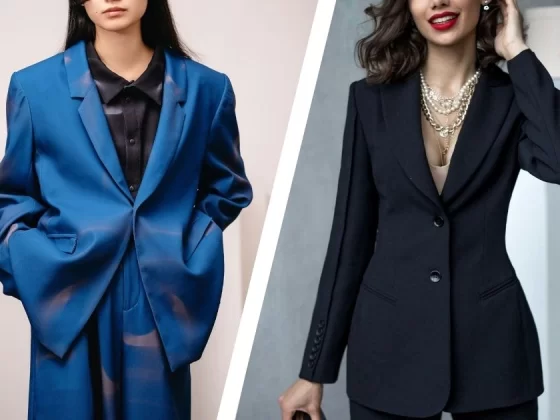
Blending vintage pieces with contemporary clothing creates unique and personalized looks. For example, pairing a 1970s floral maxi dress with modern sneakers can balance retro charm with current trends. Similarly, an oversized blazer from the 1980s can add structure to slim-fit jeans and a minimalist top. Accessories such as belts, hats, and vintage jewelry can enhance the vintage aesthetic without overpowering the outfit.
Mixing eras can also yield striking results. A 1950s pencil skirt worn with a 1990s cropped sweater demonstrates both creativity and an understanding of proportion. Experimenting with layering, textures, and color combinations allows vintage clothing to feel fresh while honoring its origins.
Where to Find Vintage Clothing
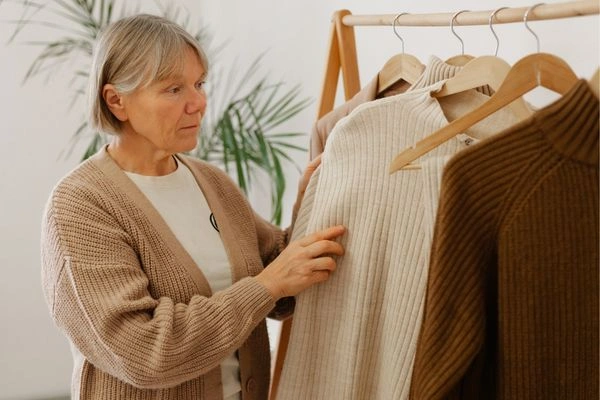
Finding authentic vintage pieces requires patience and knowledge. Thrift stores, consignment shops, and estate sales are traditional sources that often hold hidden gems. Online marketplaces, including Etsy, Depop, and eBay, have made vintage shopping accessible worldwide. Many stores now offer curated selections, ensuring quality and authenticity for buyers who may not have the time to hunt for items themselves.
Shopping for vintage also involves assessing condition and fit. While minor signs of wear are part of the charm, it is essential to check for stains, tears, or fading that may compromise the garment. Alterations and tailoring can help achieve the perfect fit, transforming a second-hand find into a wardrobe staple.
The Role of Sustainability in the Vintage Trend
Sustainability has become inseparable from the appeal of vintage clothing. The fashion industry is one of the most significant contributors to environmental pollution, and vintage shopping presents a viable alternative. Reusing garments reduces the need for mass production and minimizes textile waste. Consumers increasingly view vintage pieces as investments rather than disposable items, prioritizing quality and longevity over quantity.
Many fashion brands have responded to this demand by releasing eco-conscious or recycled collections that emulate vintage styles. These initiatives make sustainable fashion more accessible while promoting awareness of ethical manufacturing practices. Purchasing genuine vintage clothing, however, remains one of the most impactful ways to reduce environmental impact.
Celebrity Influence and Pop Culture
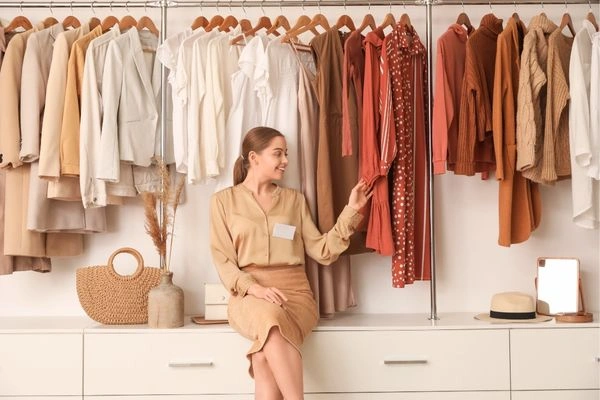
Celebrities and pop culture icons have played a significant role in popularizing vintage clothing. Stars like Rihanna, Harry Styles, and Zendaya frequently wear retro pieces on red carpets and in street style, blending luxury labels with thrifted finds. Music videos, film, and television series that celebrate past decades, such as shows set in the 1980s or 1990s, also spark interest in authentic vintage fashion.
Vintage shopping challenges the cookie-cutter nature of modern fashion. Wearing unique pieces associated with iconic eras allows individuals to express identity and creativity, often sparking conversations and admiration. Influencer-led tutorials on styling vintage further amplify the trend, showing that mixing old and new can yield both chic and approachable looks.
Investment Potential of Vintage Clothing
Vintage clothing can also be considered an investment. Designer pieces, rare items, and garments in excellent condition often appreciate over time. Collectors seek out iconic brands, limited-edition releases, and garments with historical significance. Items such as Chanel jackets, Levi’s jeans, or rare band t-shirts can fetch high prices in the resale market.
Buying vintage with investment in mind requires research and patience. Understanding the provenance, material, and original design details ensures that purchases are both stylish and valuable. For fashion enthusiasts, the combination of aesthetic appeal and potential financial return makes vintage shopping even more rewarding.
Caring for Vintage Clothing
Proper care is crucial for maintaining the integrity and longevity of vintage garments. Many vintage fabrics are delicate and require gentle handling. Hand washing or using specialized cleaning services preserves the material. Storing garments in breathable garment bags, away from direct sunlight, helps prevent fading and fabric deterioration.
Minor repairs, such as re-stitching or replacing buttons, can restore functionality without altering the garment’s vintage authenticity. Learning to care for vintage clothing extends its lifespan and ensures it remains a stylish, cherished part of any wardrobe.
The Emotional and Cultural Connection
Part of the charm of vintage clothing lies in its storytelling. Each garment carries the history of its era, reflecting social trends, cultural movements, and personal narratives. Wearing vintage clothing creates a tangible connection to the past and allows individuals to celebrate the evolution of fashion.
Vintage pieces often evoke nostalgia, not just for the wearer but for onlookers who recognize iconic styles. This emotional connection reinforces the appeal of retro fashion as more than a trend; it becomes a lifestyle choice that celebrates artistry, history, and individuality.
Future of the Vintage Clothing Trend
The vintage clothing trend shows no signs of slowing down, and its future appears increasingly intertwined with sustainability, technology, and evolving consumer tastes. As awareness of the environmental impact of fast fashion grows, more consumers are actively seeking alternatives that align with their values. Vintage clothing naturally fits this demand, offering a sustainable option that reduces waste while preserving the artistry and quality of past eras. The appeal of eco-conscious fashion is likely to drive continued interest in retro and second-hand garments, making vintage not just a niche choice but a staple of modern wardrobes.
Technological advancements are also shaping the way vintage clothing is bought, sold, and curated. Digital marketplaces, apps, and online boutiques have made it easier than ever to discover rare, authentic, and high-quality vintage pieces from around the world. Features such as AI-assisted search, virtual fitting rooms, and authentication services instill confidence in buyers, bridging the gap between traditional thrifting and modern e-commerce. Social media platforms continue to amplify trends, with influencers and fashion communities sharing tips, styling ideas, and curated collections that inspire new generations to embrace vintage.
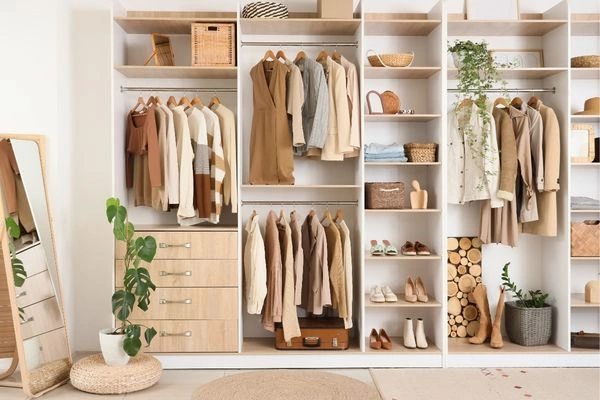
Fashion brands themselves are increasingly incorporating vintage-inspired designs into contemporary collections. Designers are drawing on iconic silhouettes, patterns, and color palettes from past decades, blending them with modern fabrics, tailoring, and sustainable production methods. This approach allows fashion to celebrate history while staying relevant to current trends, creating a hybrid style that resonates with consumers who appreciate both nostalgia and modern functionality. Collaborations between established labels and vintage curators are also likely to expand, making rare or historically significant designs accessible to a broader audience.
Customization and personalization may further define the future of vintage clothing. As consumers seek individuality and self-expression, brands and sellers that offer altered, upcycled, or bespoke vintage garments will attract those looking to combine historical charm with modern aesthetics. This approach not only extends the life of garments but also transforms them into statement pieces that reflect personal style, creativity, and ethical values.
Overall, the future of the vintage clothing trend is poised for growth, driven by sustainability, technology, and a cultural shift toward meaningful fashion. By merging the best of past and present, vintage clothing is set to remain a dynamic, influential force in the fashion world, offering timeless style, individuality, and a conscious approach to consumerism.
Why Vintage Fashion Endures
Vintage clothing is not just a style choice; it is a statement of individuality, sustainability, and cultural appreciation. By combining timeless design, unique fabrics, and historical significance, vintage pieces allow wearers to create versatile, expressive wardrobes.
The resurgence of vintage fashion demonstrates the desire for meaningful clothing that transcends disposable trends. From sustainability-conscious consumers to fashion-forward individuals seeking unique expression, vintage clothing continues to captivate hearts and closets. Its enduring appeal lies in its ability to connect the past with the present, making every outfit not only a fashion statement but a celebration of history, style, and creativity.