Women’s suits have reached a fascinating crossroads. The fashion world is witnessing an engaging debate between oversized silhouettes and sharp, tailored cuts. These two distinct approaches to suiting are shaping modern wardrobes in ways that reflect evolving attitudes about femininity, power, comfort, and self-expression. From runways in Paris and New York to celebrity red carpets and high street fashion, oversized suits and tailored styles are both defining how women dress for work, events, and everyday life.
This article explores the dynamic tension between these trends, what each style represents, how they are being worn, notable examples from global brands and designers, and how women can navigate the choices to suit their personal style and occasions.
The Rise Of Women’s Suits In Fashion

Women’s suiting has never been more central to global fashion conversation. Once reserved for corporate environments and formal events, suits have become cultural expressions that celebrate individuality, comfort, and empowerment. Fashion weeks around the world have placed suiting at the forefront of their shows, with designers reimagining both classic and contemporary interpretations of what a suit can look like for women.
Tailoring has a long history as a symbol of professionalism and authority. Yet relaxed fits and oversized silhouettes pull from menswear traditions and 1980s power dressing, reworking those codes for today’s demands. Both styles are present, each with a clear identity and audience.
Trend Overview
The Oversized Suit
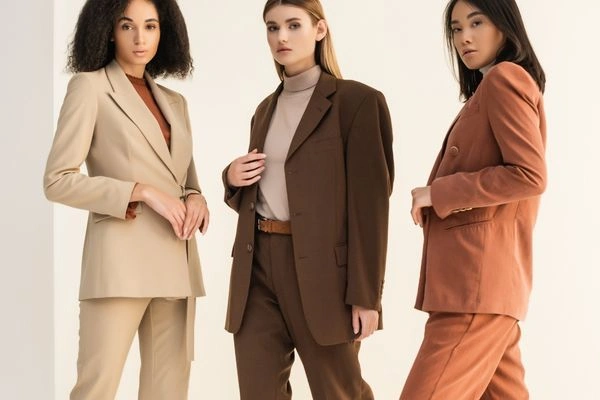
The oversized suit look continues to be a dominant force for 2026. This style draws heavy inspiration from the dramatic power dressing of the 1980s and 1990s, but with modern updates that make it feel fresh and relevant. Oversized suits feature broad shoulders, boxy cuts, exaggerated proportions, and relaxed trousers. They are designed to make a bold statement, conveying confidence through volume and presence rather than precision.
Celebrities and public figures are leaning into this trend, showing that oversized suiting is no longer reserved for avant-garde fashion circles. Princess Charlene of Monaco recently wore an oversized ’80s-inspired suit with strong, structured shoulders and wide trousers, proving that even formal public appearances can embrace this bold silhouette.
The Tailored Suit
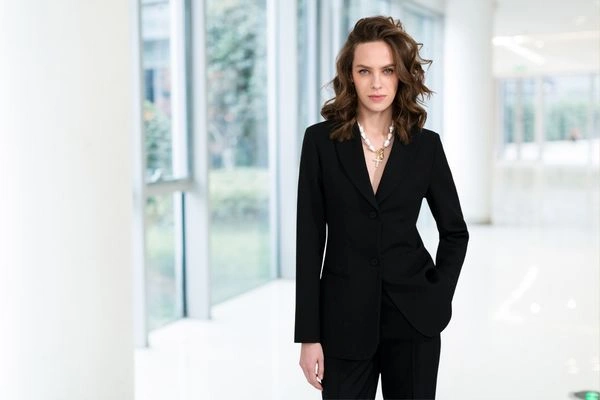
In contrast, tailored suits emphasize precision, structure, and a closer fit to the body. These suits celebrate clean lines, defined waists, and sharp details that enhance form without compromising movement. Tailored suiting has been bolstered by fashion insiders and celebrities who continue to wear and champion more traditional interpretations of the power suit.
Tailored styles are often associated with understated elegance and professionalism. They frequently appear in neutral tones and classic cuts that make them ideal for office environments, business events, and situations where a more formal presentation is desired.
The Aesthetic Of Oversized Suits
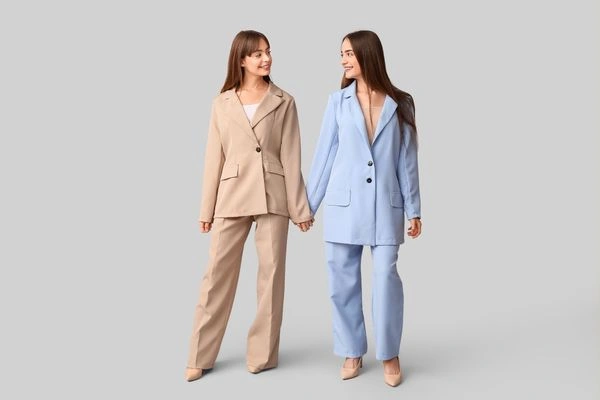
Oversized suits are all about volume, gravity, and confident expression. These looks blur gender lines, borrowing from menswear traditions and amplifying them for a contemporary female silhouette. A classic oversized blazer with wide-leg trousers can feel modern, chic, and liberating all at once.
Designers like Bevza, Brandon Maxwell, and Tory Burch have featured oversized suits in recent runway shows, giving the silhouette a place at the forefront of fashion weeks. These versions elevate the look with bold shoulders and relaxed tailoring that still feels elevated and intentional.
Street style influencers and fashion editors alike have embraced oversized suits, blending them with sneakers, sleek boots, or even casual tees for an outfit that feels at once polished and effortless. The versatility of the oversized suit allows it to cross over from a work meeting to an evening event without feeling out of place.
Why Oversized Works
Oversized suits appeal to women who want to express confidence without relying on traditionally feminine silhouettes. The boxy cut and broadened proportions provide a sense of strength and presence. Styling options are wide-ranging, with oversized suiting pairing well with modest heels, bold footwear, or sleek flats.
Another reason oversized suits have stuck around is their adaptability. They can be styled to look formal or casual, depending on the accessories and pieces chosen to accompany them. Wearing an oversized suit with a crisp white shirt and classic pumps gives a nod to tradition while still feeling updated.
The Appeal Of Tailored Suits
Though oversized suiting is prominent, tailored suits remain at the center of professional and formal wardrobes. Tailoring celebrates craftsmanship, structure, and a silhouette that enhances rather than obscures the form. This year, tailored suits are evolving to embrace sharp cuts with modern nuances like cinched waists, bold lapels, and innovative closures.
Tailored suiting is well-suited to environments where formality and refinement are valued. It communicates a polished presence that can be essential in client meetings, formal gatherings, and professional settings. The art of tailoring enhances lines and can flatter a broad range of body shapes.
Design houses and ready-to-wear brands are finding ways to keep tailored suits relevant by introducing elements that modernize the classic form. For example, tailored blazers with concealed zippers, asymmetrical buttons, or slight fabric innovations provide a fresh perspective on an otherwise traditional piece.
Why Tailored Suits Endure
Tailored suits endure because of their ability to communicate professionalism and timeless elegance. While oversized styles may dominate trend reports and fashion weeks, tailored suits maintain a stronghold in environments where perceived authority and cultural sophistication are still prized. Additionally, tailored suiting tends to complement body shapes in a way that makes the wearer feel put together and intentionally dressed.
Comparing The Two Styles
Silhouette And Fit
The biggest visual difference between oversized and tailored suits lies in silhouette. Oversized suits feature broad shoulders, exaggerated proportions, and relaxed lines that communicate confidence and freedom. Tailored suits follow the contours of the body, offering defined shoulders, tapered waists, and clean proportions that emphasize structure.
Comfort And Functionality
Oversized suits are generally more forgiving in terms of fit and movement. They allow room to sit, walk, and move without feeling restricted. For women who value comfort and versatility, oversized silhouettes can be incredibly appealing.
Tailored suits tend to offer a more precise fit, which some women find empowering because it highlights their form. However, depending on the cut and fabric, tailored suits can sometimes feel more structured and less forgiving during long days or events.
Professional Versus Creative Environments
Tailored suits naturally align with formal and professional environments. They present a look that is often expected in corporate settings. Oversized suits, while increasingly acceptable in many workplaces, are particularly well-suited to creative industries, fashion media, and environments that allow for expressive personal style.
Insider Examples And Showcases
Runway Highlights
Haute Couture Week and fashion weeks across major cities have shown both oversized and tailored suiting. This year, runway shows highlighted creative reinterpretations of classic elements, such as the skirt suit, which has reemerged beyond its historical roots to reflect modern versatility and sophistication. Designers like Chanel featured updated versions that look suitable for both formal and everyday wear.
Celebrities continue to demonstrate the relevance of tailoring in public style moments. Lauren Sánchez Bezos, for example, has chosen strong, tailored silhouettes in bold colors while attending major fashion events, signaling a continued appreciation for structured tailoring among high-profile fashion lovers.
Street Style And Celebrity Appeal
Street style influencers and celebrities have kept oversized suiting in the spotlight. Fans of the trend often look to public figures blending the oversized silhouette into everyday wear. Casual sneakers, graphic tees, and accessories paired with a boxy suit create a vibe that feels uniquely current and approachable.
Global Brands And Recommendations
Whether choosing oversized or tailored, there are global brands offering standout pieces that reflect this year’s suit trends.
Oversized Suit Picks
- Bevza offers relaxed suiting that balances structure with ease, making it ideal for those who want a bold, contemporary silhouette.
- Brandon Maxwell reinterprets oversized tailoring through clean lines and modern proportions suitable for both day and night.
- Tory Burch provides oversized suits that feel polished enough for work but relaxed enough for weekends.
Tailored Suit Picks
- Theory consistently delivers streamlined, tailored suits with refined fits that emphasize professionalism and versatility.
- Ralph Lauren is known for classic suiting options that combine traditional tailoring with timeless style.
- COS offers minimalist yet structured tailoring at accessible price points, ideal for everyday professionalism.
How To Wear Each Trend
Styling Oversized Suits
To make an oversized suit feel intentional, consider pairing it with fitted elements like a sleek tank top or crisp shirt. Accessories such as structured handbags or pointed shoes can balance volume and refine the look. For a casual vibe, sneakers or loafers work well. For a more elevated appearance, simple heels or pointed flats elevate the silhouette.
Styling Tailored Suits
Tailored suits look best when they complement your shape. A belt can emphasize the waist, while tapered trousers elongate the leg. For formal settings, keep accessories minimal and elegant. For more creative environments, add a vibrant blouse or tasteful jewelry for personality.
Defining Personal Style Through Modern Suiting
Women’s suits reflect a broader fashion landscape that values both self-expression and versatility. The conversation between oversized and tailored suiting invites women to define their own style, incorporating pieces that communicate what they want to say through fashion.
Whether choosing the dramatic, relaxed volumes of oversized suits or the refined precision of tailored styles, women have more choices than ever before. These trends do not represent opposing forces but complementary directions that allow every woman to curate a wardrobe that feels authentic, confident, and modern.
For 2026 and beyond, understanding how oversized and tailored suits differ and how they can coexist in a wardrobe offers exciting opportunities for personal expression and timeless elegance.